
Eid-el-Kabir: Ram prices hit N1.5 million in Abuja markets amid inflation

Quote from Kass_Fash on May 25, 2026, 1:23 pm
Ram prices across major livestock markets in Abuja have surged sharply ahead of the 2026 Eid-el-Kabir celebrations, with premium breeds now selling for as high as N1.5 million amid rising inflation, transportation costs, insecurity and worsening pressure on household incomes.
A market survey conducted by Nairametrics across key livestock markets in Abuja revealed that the cost of sacrificial animals has increased significantly compared to last year, with traders attributing the spike to inflation, high transportation costs, insecurity and rising feeding expenses.
The development comes amid persistent inflationary pressures and weakening consumer purchasing power across the country.
What they are saying
Traders across Abuja livestock markets said soaring logistics and operational costs have significantly affected pricing and reduced customer turnout ahead of the Sallah celebration.
- “Everything is expensive now — transportation, feeding, even the cost of bringing the animals” from places like Kano and Sokoto. “Last year people bought quickly, but this year many people just come to price and leave,” livestock dealer Musa Ibrahim said at the Orange Market.
- “We are spending much more on logistics. Fuel prices and transportation costs have increased seriously. Security challenges on the roads are also affecting supply,” trader Lawal Adamu explained.
- “The same ram that sold for around N700,000 last year is now close to N1 million. Customers complain every day, but we also buy at very high prices,” roadside livestock seller Abdullahi along the Nyanya-Abuja Expressway stated.
- “People still want to perform the sacrifice because it is important spiritually, but the prices are becoming too high for average earners. Some families may have to contribute money together to buy one ram,” civil servant Ibrahim Sani said.
At the popular Orange Market, medium-sized rams that sold for around N200,000 during the 2025 Eid-el-Kabir season now cost between N350,000 and N400,000. Smaller rams are priced between N230,000 and N250,000, while larger breeds sell for between N550,000 and as much as N1.5 million depending on size and breed.
More Insights
The increase in livestock prices is also being driven by broader economic and structural challenges affecting food supply chains across Nigeria.
- At Zuba Market, the cheapest ram available as of May 24, 2026, sold for about N275,000 after bargaining.
- Fully grown male goats now sell for around N120,000, while smaller goats cost between N70,000 and N90,000 depending on size and breed.
- Traders in Nyanya and Zuba reported weaker customer demand, with many buyers delaying purchases in anticipation of possible last-minute price reductions.
Economists say insecurity along livestock supply routes, high diesel prices, exchange rate pressures and climate-related challenges are all contributing to the surge in prices. Many herders are also spending more on feed supplements due to worsening grazing conditions, increasing production costs that are eventually transferred to consumers.
- Economist Dr. Almarouf Ojelabi of the University of Abuja said inflation, logistics costs, insecurity and exchange rate volatility are driving higher prices across the livestock value chain.
- “When inflation persists at high levels, every sector becomes affected, including livestock. Transportation, feeding, veterinary services and insecurity all contribute to higher market prices,” he said.
Financial analyst Yusuf Ahmed noted that rising diesel prices and insecurity in grazing communities continue to disrupt supply and increase risks for traders.
- “The high cost of diesel, transportation and logistics is feeding directly into food and livestock prices. Insecurity in food-producing and grazing areas is also reducing supply and increasing risk for traders,” Yusuf explained.
- Agricultural economist Dr. Aisha Mahmoud added that climate pressures and rising feed costs are worsening livestock production challenges in northern Nigeria.
- “Many herders now spend more on feed supplements because grazing conditions are no longer as stable as before. These costs are eventually transferred to consumers,” she said.
Experts believe the current trend may force many low- and middle-income households to either scale down their Eid-el-Kabir celebrations or adopt cost-sharing arrangements to afford sacrificial animals this year.
Buyers at the markets lamented that the rising prices may prevent many Muslim families from observing the traditional Eid sacrifice this year.
A civil servant, Ibrahim Sani, said many households are now considering alternatives.
- “People still want to perform the sacrifice because it is important spiritually, but the prices are becoming too high for average earners. Some families may have to contribute money together to buy one ram,” he said.
What you should know
Nigeria’s headline inflation rate rose to 15.69% in April 2026 from 15.38% recorded in March, according to the latest Consumer Price Index report released by the National Bureau of Statistics (NBS).
- Eid-el-Kabir celebrations for 2026 are scheduled to hold on May 27 and 28 across Nigeria.
The continued rise in livestock prices ahead of the festive period underscores the growing strain on household budgets as inflation and economic pressures persist across the country.
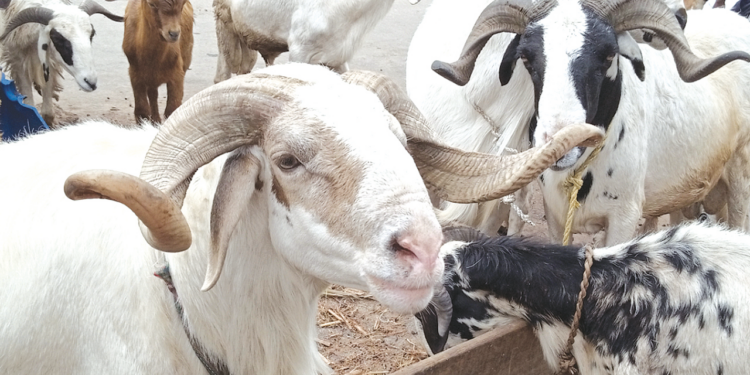
Ram prices across major livestock markets in Abuja have surged sharply ahead of the 2026 Eid-el-Kabir celebrations, with premium breeds now selling for as high as N1.5 million amid rising inflation, transportation costs, insecurity and worsening pressure on household incomes.
A market survey conducted by Nairametrics across key livestock markets in Abuja revealed that the cost of sacrificial animals has increased significantly compared to last year, with traders attributing the spike to inflation, high transportation costs, insecurity and rising feeding expenses.
The development comes amid persistent inflationary pressures and weakening consumer purchasing power across the country.
What they are saying
Traders across Abuja livestock markets said soaring logistics and operational costs have significantly affected pricing and reduced customer turnout ahead of the Sallah celebration.
- “Everything is expensive now — transportation, feeding, even the cost of bringing the animals” from places like Kano and Sokoto. “Last year people bought quickly, but this year many people just come to price and leave,” livestock dealer Musa Ibrahim said at the Orange Market.
- “We are spending much more on logistics. Fuel prices and transportation costs have increased seriously. Security challenges on the roads are also affecting supply,” trader Lawal Adamu explained.
- “The same ram that sold for around N700,000 last year is now close to N1 million. Customers complain every day, but we also buy at very high prices,” roadside livestock seller Abdullahi along the Nyanya-Abuja Expressway stated.
- “People still want to perform the sacrifice because it is important spiritually, but the prices are becoming too high for average earners. Some families may have to contribute money together to buy one ram,” civil servant Ibrahim Sani said.
At the popular Orange Market, medium-sized rams that sold for around N200,000 during the 2025 Eid-el-Kabir season now cost between N350,000 and N400,000. Smaller rams are priced between N230,000 and N250,000, while larger breeds sell for between N550,000 and as much as N1.5 million depending on size and breed.
More Insights
The increase in livestock prices is also being driven by broader economic and structural challenges affecting food supply chains across Nigeria.
- At Zuba Market, the cheapest ram available as of May 24, 2026, sold for about N275,000 after bargaining.
- Fully grown male goats now sell for around N120,000, while smaller goats cost between N70,000 and N90,000 depending on size and breed.
- Traders in Nyanya and Zuba reported weaker customer demand, with many buyers delaying purchases in anticipation of possible last-minute price reductions.
Economists say insecurity along livestock supply routes, high diesel prices, exchange rate pressures and climate-related challenges are all contributing to the surge in prices. Many herders are also spending more on feed supplements due to worsening grazing conditions, increasing production costs that are eventually transferred to consumers.
- Economist Dr. Almarouf Ojelabi of the University of Abuja said inflation, logistics costs, insecurity and exchange rate volatility are driving higher prices across the livestock value chain.
- “When inflation persists at high levels, every sector becomes affected, including livestock. Transportation, feeding, veterinary services and insecurity all contribute to higher market prices,” he said.
Financial analyst Yusuf Ahmed noted that rising diesel prices and insecurity in grazing communities continue to disrupt supply and increase risks for traders.
- “The high cost of diesel, transportation and logistics is feeding directly into food and livestock prices. Insecurity in food-producing and grazing areas is also reducing supply and increasing risk for traders,” Yusuf explained.
- Agricultural economist Dr. Aisha Mahmoud added that climate pressures and rising feed costs are worsening livestock production challenges in northern Nigeria.
- “Many herders now spend more on feed supplements because grazing conditions are no longer as stable as before. These costs are eventually transferred to consumers,” she said.
Experts believe the current trend may force many low- and middle-income households to either scale down their Eid-el-Kabir celebrations or adopt cost-sharing arrangements to afford sacrificial animals this year.
Buyers at the markets lamented that the rising prices may prevent many Muslim families from observing the traditional Eid sacrifice this year.
A civil servant, Ibrahim Sani, said many households are now considering alternatives.
- “People still want to perform the sacrifice because it is important spiritually, but the prices are becoming too high for average earners. Some families may have to contribute money together to buy one ram,” he said.
What you should know
Nigeria’s headline inflation rate rose to 15.69% in April 2026 from 15.38% recorded in March, according to the latest Consumer Price Index report released by the National Bureau of Statistics (NBS).
- Eid-el-Kabir celebrations for 2026 are scheduled to hold on May 27 and 28 across Nigeria.
The continued rise in livestock prices ahead of the festive period underscores the growing strain on household budgets as inflation and economic pressures persist across the country.

Quote from Jide_Mo on May 25, 2026, 2:09 pmI went to the Orange Market along Mararaba axis yesterday with ₦200,000 thinking I would get a decent medium ram like last year. The boys laughed at me. They pointed to a very small goat and said that’s my budget’s size. I had to turn back.
I went to the Orange Market along Mararaba axis yesterday with ₦200,000 thinking I would get a decent medium ram like last year. The boys laughed at me. They pointed to a very small goat and said that’s my budget’s size. I had to turn back.

Headlines:
Latest Forum Topics
- Eid-el-Kabir: Ram prices hit N1.5 million in Abuja markets amid inflation
- Factional Crisis Hits ADC, New Chairman Elected
- NALPGAM Raises Alarm Over Soaring Cooking Gas Prices
- Bandits Attack Prayer Ground in Kwara State, Kill Three, Abduct 15
- OPay Opens N1.2b 10-year Scholarship Programme
- 25.5.2026. Business and Funding Opportunities
- Ambassador Kayode Are Presents Letter of Credence to President Trump
- Where Comfort Meets Confidence
- Defending champions Remo Stars doomed for relegation
- Enugu Rangers Win NPFL
- NPFL Final Day :Who Wins Nigeria\'s 2025/2026 Premier League?
- ‘We Did It’ — Ajayi Celebrates Hull City Premier League Promotion
- COUP PLOT: DOCUMENT REVEALS PROPOSED POWER STRUCTURE IF TINUBU, OTHERS WERE KILLED
- preserving evidence privately is wiser than chasing public validation online
- Why do men like a woman’s big yansh or nyash
- Government Negotiates With Oyo School Kidnappers
- Governorship Ticket : Rivers ADC Splits Into Factions
- Venezuela’s Oil Paid For Cost Of Iran War ’25 Times Over -Trump
- Onuachu’s Brace Fires Trabzonspor To Turkish Cup Glory
- Business and Funding Opportunities.23.5.2026