
Top 10 African countries with the cheapest electricity prices in Q1 2026

Quote from Kass_Fash on June 25, 2026, 9:33 am
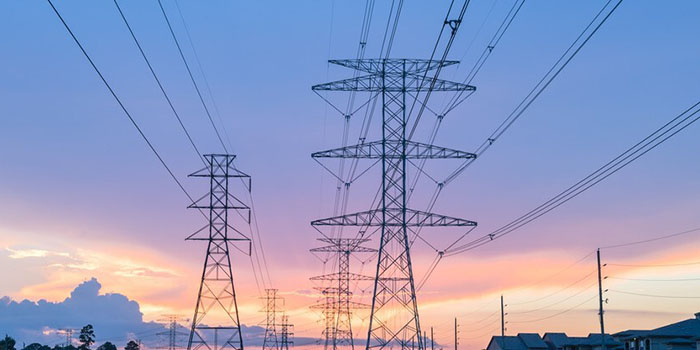
Electricity affordability remains a major factor influencing household welfare, industrial productivity, and economic competitiveness across Africa.
According to data from Global Petrol Prices, updated for the first quarter of 2026, several African countries continue to offer electricity at rates significantly below both the global and continental averages.
The rankings are based on average residential and commercial electricity tariffs measured in U.S. dollars per kilowatt-hour (kWh). The data highlights substantial differences in pricing structures across the continent, with countries such as Ethiopia, Sudan, Angola, and Zambia maintaining some of the lowest electricity costs for consumers and businesses alike.
Notably, many countries with the cheapest electricity tariffs rely heavily on government subsidies, abundant hydropower resources, or state-controlled energy pricing mechanisms. While low tariffs benefit consumers, they can also create challenges for power utilities seeking to invest in infrastructure expansion and improve service reliability.
Ethiopia emerged as the most affordable electricity market in Africa, recording the lowest residential and commercial tariffs among all countries surveyed. Nigeria ranked 5th on the continent despite recent tariff reforms, reflecting the continued impact of regulated electricity pricing on household and business consumers.
While the data comprises both residential and commercial prices, the top 10 countries are ranked based on residential tariffs.
10. Cameroon – Residential: $0.088/kWh; Commercial: $0.180/kWh
Cameroon rounded out the list of the 10 African countries with the cheapest electricity prices in the first quarter of 2026, with residential consumers paying $0.088 per kilowatt-hour (kWh) and businesses paying $0.180 per kWh.
Among the countries featured in the ranking, Cameroon recorded the widest gap between household and commercial electricity tariffs. Businesses pay more than twice the rate charged to residential consumers, reflecting a pricing structure designed to keep electricity affordable for households while placing a greater share of cost recovery on commercial and industrial users.
The country’s electricity sector relies on a combination of hydropower and thermal generation, with ongoing investments aimed at expanding generation capacity and improving electricity access. Cameroon has significant hydropower potential, and successive infrastructure projects have sought to strengthen the reliability of supply and support growing demand from both households and businesses.
While commercial consumers face comparatively higher electricity costs, residential tariffs remain relatively affordable by regional standards. This approach has helped cushion households from rising energy costs, although businesses often bear a larger financial burden through higher tariffs.
Despite recording the highest residential and commercial electricity prices among the countries in this top 10 ranking, Cameroon remains one of the more affordable electricity markets in Africa. Its tariffs are still lower than those in many other African countries, highlighting the relatively competitive nature of electricity pricing within the country’s power sector.
As Cameroon continues to invest in power generation and transmission infrastructure, maintaining a balance between affordability, cost recovery and improved service delivery will remain a key priority for the sector’s long-term development.
9. Democratic Republic of the Congo – Residential: $0.072/kWh; Commercial: $0.084/kWh
The Democratic Republic of the Congo (DRC) ranked eighth among African countries with the cheapest electricity prices in the first quarter of 2026, with residential consumers paying $0.072 per kilowatt-hour (kWh) and businesses paying $0.084 per kWh.
The country is endowed with some of the world’s largest hydropower resources, most notably the Inga Dam complex on the Congo River, which has the potential to generate enough electricity to power large parts of Africa. This vast renewable energy potential has helped keep electricity tariffs relatively affordable compared with many countries on the continent.
Despite its enormous generation potential, the DRC continues to face significant challenges in expanding access to electricity. Infrastructure deficits, limited transmission networks and low electrification rates have constrained the ability of many households and businesses to benefit from the country’s abundant energy resources. Large sections of the population, particularly in rural areas, remain without reliable access to grid electricity.
The gap between residential and commercial electricity tariffs is relatively small compared with many other African countries, indicating a more balanced pricing structure between households and businesses. Residential consumers pay about 86% of the commercial rate, one of the narrowest differences among the countries featured in the ranking.
The Congolese government and international development partners have continued to pursue investments aimed at expanding electricity access, upgrading transmission infrastructure and unlocking the country’s hydropower potential. Projects linked to the Inga complex and other renewable energy initiatives are expected to play a key role in improving power supply and supporting economic development over the long term.
While affordability remains a strength of the DRC’s electricity sector, improving access and reliability remains crucial if the country is to fully harness its vast energy resources and translate them into broad-based economic growth.
8. Tunisia – Residential: $0.068/kWh; Commercial: $0.121/kWh
Tunisia ranked ninth among African countries with the cheapest electricity prices in the first quarter of 2026, with residential consumers paying $0.068 per kilowatt-hour (kWh) and businesses paying $0.121 per kWh.
Commercial users face significantly higher electricity costs than households, reflecting a pricing strategy aimed at protecting residential consumers from rising energy costs while recovering a greater share of electricity sector expenses from businesses and industrial users. As a result, household tariffs are just over half the rate paid by commercial consumers.
Despite maintaining relatively affordable electricity prices by continental standards, Tunisia has been pursuing major reforms and investments to strengthen the sustainability and reliability of its power sector. In November 2025, the World Bank and the Tunisian government signed a financing agreement for the Tunisia Energy Reliability, Efficiency, and Governance Improvement Program (TEREG), a five-year initiative valued at $430 million, including $30 million in concessional financing from the Climate Investment Funds.
The programme is designed to support Tunisia’s efforts to deliver a more sustainable, reliable and affordable electricity supply by accelerating renewable energy deployment, improving the operational performance of the national electricity utility, Société Tunisienne de l’Électricité et du Gaz (STEG), and strengthening governance across the energy sector.
Tunisia’s renewable energy ambitions have also received support from European development institutions. The European Bank for Reconstruction and Development (EBRD), the European Investment Bank (EIB) and the European Union have partnered to provide a €61.3 million financing package for the development of a new 100-megawatt solar photovoltaic (PV) plant in the Sidi Bouzid region. The project is expected to increase renewable energy generation, reduce dependence on imported fossil fuels and contribute to the country’s energy transition goals.
Although Tunisia’s electricity tariffs are higher than those of several countries in this ranking, they remain below the broader African average. Continued investments in renewable energy and power sector modernization are expected to strengthen energy security while helping to maintain affordable electricity prices for consumers over the long term.
7. Sudan – Residential: $0.044/kWh; Commercial: $0.056/kWh
Sudan ranked second among African countries with the cheapest electricity prices in the first quarter of 2026, with residential consumers paying $0.044 per kilowatt-hour (kWh) and businesses paying $0.056 per kWh.
Despite facing severe economic and political challenges, Sudan continues to maintain relatively low electricity tariffs through a heavily regulated pricing system. The gap between household and commercial electricity rates is relatively narrow compared with many other African countries, indicating a pricing structure that distributes costs more evenly across consumer categories.
However, the country’s power sector has come under immense pressure from the ongoing conflict, which has entered its fourth year. According to a recent report by the United Nations Development Programme (UNDP), the war has shrunk Sudan’s economy by more than 40% and caused up to $3 billion in damage to the national electricity grid. The destruction of critical infrastructure has significantly undermined electricity supply across large parts of the country.
As a result, demand for alternative energy sources has risen sharply. The UNDP’s Solar Energy Value Chains in Sudan report found that interest in solar power surged from early 2024 as households, farms and small businesses increasingly sought alternatives to an unreliable grid and diesel generators, which can cost up to ten times more to operate than solar systems.
To support energy access, UNDP has installed nearly 300 solar-powered water systems across Sudan over the past five years for irrigation and household use. The initiative has helped boost agricultural productivity, reduce dependence on diesel fuel and lower operating costs by as much as 70%.
Despite the challenges facing the power sector, Sudan’s electricity tariffs remain among the lowest on the continent. Residential electricity prices amount to less than 5% of the African average, highlighting the continued role of subsidies and government intervention in keeping electricity affordable for consumers.
6. Algeria – Residential: $0.042/kWh; Commercial: $0.035/kWh
Algeria ranked seventh among African countries with the cheapest electricity prices in the first quarter of 2026, with residential consumers paying $0.042 per kilowatt-hour (kWh) and businesses paying $0.035 per kWh.
Like Angola, Algeria is one of the few countries on the continent where businesses pay less for electricity than households. This pricing structure reflects the government’s longstanding strategy of supporting industrial activity and maintaining the competitiveness of key sectors of the economy.
The country’s abundant natural gas reserves play a central role in keeping electricity generation costs low. As one of Africa’s largest producers and exporters of natural gas, Algeria benefits from a reliable and relatively inexpensive fuel supply for power generation, enabling it to offer electricity at rates well below many regional peers.
Government subsidies also remain a critical component of Algeria’s energy policy. By absorbing a significant portion of electricity production costs, authorities have been able to maintain tariffs below both African and global averages, shielding consumers and businesses from fluctuations in international energy markets.
The combination of low-cost natural gas, extensive state support and established energy infrastructure has helped Algeria sustain some of the continent’s most affordable electricity prices. These competitive tariffs continue to support domestic industries, encourage economic activity and reinforce the country’s position as one of Africa’s leading energy producers.
As a result, Algeria remains among the most affordable electricity markets in Africa for both residential and commercial consumers, despite broader efforts to reform energy subsidies and improve the long-term sustainability of the sector.
5. Nigeria – Residential: $0.037/kWh; Commercial: $0.048/kWh
Nigeria ranked sixth among African countries with the cheapest electricity tariffs in the first quarter of 2026, with residential consumers paying an average of $0.037 per kilowatt-hour (kWh) and businesses paying $0.048 per kWh.
Despite ongoing reforms aimed at improving cost recovery and attracting investment into the power sector, electricity prices in Nigeria remain significantly below both African and global averages. The data shows that households pay about 77% of what businesses are charged for electricity, while the gap between tariffs for small and large businesses is among the narrowest recorded in the survey.
Nigeria’s electricity pricing framework operates under a Service-Based Tariff (SBT) system, which classifies customers into Bands A to E according to the average number of hours of electricity supplied daily. Under the structure, Band A customers, who are expected to receive at least 20 hours of power supply per day, pay the highest tariffs. Following the tariff adjustment introduced in 2024, Band A customers were charged approximately N209.50 per kWh, while tariffs for customers in Bands B, C, D and E remained largely unchanged.
The tariff reforms were designed to reduce subsidy burdens, improve the financial viability of electricity distribution companies and encourage investment across the power value chain. However, the broader electricity market continues to face challenges, including inadequate generation capacity, transmission constraints and distribution losses.
Although Nigeria remains one of the countries with the lowest electricity prices in Africa, affordability does not always translate into reliable supply. Frequent outages and limited grid coverage have forced many households and businesses to rely on generators, solar systems and other alternative energy sources, often at significantly higher costs than grid electricity.
As a result, Nigeria presents a unique paradox in Africa’s power sector: relatively low electricity tariffs alongside persistent supply challenges that continue to affect economic productivity and household welfare.
4. Angola – Residential: $0.030/kWh; Commercial: $0.025/kWh
Angola ranked third among African countries with the cheapest electricity prices in the first quarter of 2026, with households paying $0.030 per kilowatt-hour (kWh) and businesses paying an even lower $0.025 per kWh.
The country stands out as one of the few markets on the continent where commercial electricity tariffs are lower than residential rates. This pricing structure reflects efforts to support industrial activity, attract investment and accelerate economic diversification beyond Angola’s traditionally oil-dependent economy.
Angola’s relatively low electricity costs are being complemented by significant investments in power infrastructure aimed at improving reliability and expanding access.
In March 2026, President João Lourenço approved a $334 million financing package to strengthen electricity transmission infrastructure in the country’s southern region. The package includes a $16 million grant from the Habitable Planet Fund and was formalised through Presidential Order No. 96/26, which authorised a financing agreement between the Angolan government and the International Bank for Reconstruction and Development (IBRD).
The investment is expected to improve grid connectivity, increase transmission capacity and support broader electrification efforts in underserved areas. It also aligns with Angola’s long-term objective of expanding access to affordable and reliable electricity as a foundation for economic growth.
The World Bank Group has remained a key partner in Angola’s energy sector, providing funding and technical assistance for grid expansion, transmission upgrades and electricity access programmes. These initiatives are helping to modernise the country’s power system while ensuring that electricity prices remain among the most competitive in Africa.
With some of the continent’s lowest electricity tariffs for both households and businesses, Angola continues to leverage energy affordability as a tool for industrial development and economic transformation.
3. Zambia – Residential: $0.024/kWh; Commercial: $0.048/kWh
Zambia ranked fourth among African countries with the cheapest electricity prices in the first quarter of 2026, with residential consumers paying $0.024 per kilowatt-hour (kWh) and businesses paying $0.048 per kWh.
The country’s electricity sector relies heavily on hydropower, which has helped keep generation costs relatively low and electricity tariffs affordable for consumers. Residential users pay less than half the rate charged to businesses, reflecting government efforts to cushion households from higher energy costs while generating additional revenue from commercial consumers.
Zambia’s abundant hydroelectric resources have long provided a competitive advantage in electricity pricing, supporting economic activity and improving energy access. However, the sector remains vulnerable to climate-related challenges, particularly droughts that can reduce water levels at major hydropower facilities and constrain electricity generation.
Despite these periodic pressures on power supply, Zambia continues to maintain some of the lowest electricity tariffs in Africa. The country’s ability to offer affordable electricity has been supported by ongoing investments in the energy sector and efforts to diversify power generation sources, including solar energy projects aimed at strengthening energy security and reducing reliance on hydropower.
As a result, Zambia remains one of the continent’s most affordable electricity markets for both households and businesses, with tariffs well below African and global averages.
2. Egypt – Residential: $0.021/kWh; Commercial: $0.039/kWh
Egypt ranked fifth among African countries with the cheapest electricity prices in the first quarter of 2026, with residential consumers paying $0.021 per kilowatt-hour (kWh) and businesses paying $0.039 per kWh.
The North African country has undergone a remarkable transformation in its power sector over the past decade, investing heavily in electricity generation, transmission and distribution infrastructure. These investments have helped Egypt move from a period of chronic power shortages to one of surplus generation capacity, enabling it to meet growing domestic demand while positioning itself as a potential regional energy hub.
Major investments in natural gas-fired power plants, renewable energy projects and grid expansion have strengthened the reliability of electricity supply and improved the overall efficiency of the sector. The country’s growing generation capacity has also supported industrial development and economic growth.
While Egypt has gradually reduced energy subsidies as part of broader economic reforms, electricity tariffs remain among the lowest in Africa. Continued government support, combined with large-scale generation capacity and operational efficiencies, has helped keep electricity affordable for both households and businesses.
As a result, Egypt continues to benefit from some of the continent’s most competitive electricity prices, reinforcing its position as one of Africa’s leading energy markets.
1. Ethiopia – Residential: $0.006/kWh; Commercial: $0.014/kWh
Ethiopia recorded the lowest electricity tariffs in Africa during the first quarter of 2026, with residential consumers paying just $0.006 per kilowatt-hour (kWh) and businesses paying $0.014 per kWh.
The country’s exceptionally low electricity costs are largely driven by its vast hydropower resources and sustained investment in generation infrastructure, particularly flagship projects such as the Grand Ethiopian Renaissance Dam (GERD). These investments have significantly expanded Ethiopia’s power generation capacity, enabling the country to maintain some of the most affordable electricity rates on the continent. As a result, Ethiopian households pay less than 5% of the average electricity price in Africa, while businesses benefit from some of the lowest energy costs available anywhere on the continent.
Ethiopia’s growing electricity surplus is also strengthening its position as a regional energy exporter. Kenya, for instance, has increasingly relied on imported power from Ethiopia as domestic generation struggles to keep pace with rising demand. According to data from Kenya’s Energy and Petroleum Regulatory Authority (EPRA), electricity imports from Ethiopia reached a record 1,274.42 gigawatt-hours (GWh) in the fiscal year ended June 2025.
The country’s expanding role in regional power markets comes amid rapid growth in domestic generation. According to Ethiopian Electric Power, Ethiopia has more than doubled its electricity generation capacity over the past seven years, underscoring its ambition to become one of Africa’s leading producers and exporters of renewable energy.
The data also shows that Ethiopian households pay less than half the rate charged to businesses, reflecting a pricing structure designed to keep electricity affordable for residential consumers while supporting broader economic development goals.
https://nairametrics.com/2026/06/24/top-10-african-countries-with-the-cheapest-electricity-prices-in-q1-2026/
Electricity affordability remains a major factor influencing household welfare, industrial productivity, and economic competitiveness across Africa.
According to data from Global Petrol Prices, updated for the first quarter of 2026, several African countries continue to offer electricity at rates significantly below both the global and continental averages.
The rankings are based on average residential and commercial electricity tariffs measured in U.S. dollars per kilowatt-hour (kWh). The data highlights substantial differences in pricing structures across the continent, with countries such as Ethiopia, Sudan, Angola, and Zambia maintaining some of the lowest electricity costs for consumers and businesses alike.
Notably, many countries with the cheapest electricity tariffs rely heavily on government subsidies, abundant hydropower resources, or state-controlled energy pricing mechanisms. While low tariffs benefit consumers, they can also create challenges for power utilities seeking to invest in infrastructure expansion and improve service reliability.
Ethiopia emerged as the most affordable electricity market in Africa, recording the lowest residential and commercial tariffs among all countries surveyed. Nigeria ranked 5th on the continent despite recent tariff reforms, reflecting the continued impact of regulated electricity pricing on household and business consumers.
While the data comprises both residential and commercial prices, the top 10 countries are ranked based on residential tariffs.
10. Cameroon – Residential: $0.088/kWh; Commercial: $0.180/kWh
Cameroon rounded out the list of the 10 African countries with the cheapest electricity prices in the first quarter of 2026, with residential consumers paying $0.088 per kilowatt-hour (kWh) and businesses paying $0.180 per kWh.
Among the countries featured in the ranking, Cameroon recorded the widest gap between household and commercial electricity tariffs. Businesses pay more than twice the rate charged to residential consumers, reflecting a pricing structure designed to keep electricity affordable for households while placing a greater share of cost recovery on commercial and industrial users.
The country’s electricity sector relies on a combination of hydropower and thermal generation, with ongoing investments aimed at expanding generation capacity and improving electricity access. Cameroon has significant hydropower potential, and successive infrastructure projects have sought to strengthen the reliability of supply and support growing demand from both households and businesses.
While commercial consumers face comparatively higher electricity costs, residential tariffs remain relatively affordable by regional standards. This approach has helped cushion households from rising energy costs, although businesses often bear a larger financial burden through higher tariffs.
Despite recording the highest residential and commercial electricity prices among the countries in this top 10 ranking, Cameroon remains one of the more affordable electricity markets in Africa. Its tariffs are still lower than those in many other African countries, highlighting the relatively competitive nature of electricity pricing within the country’s power sector.
As Cameroon continues to invest in power generation and transmission infrastructure, maintaining a balance between affordability, cost recovery and improved service delivery will remain a key priority for the sector’s long-term development.
9. Democratic Republic of the Congo – Residential: $0.072/kWh; Commercial: $0.084/kWh
The Democratic Republic of the Congo (DRC) ranked eighth among African countries with the cheapest electricity prices in the first quarter of 2026, with residential consumers paying $0.072 per kilowatt-hour (kWh) and businesses paying $0.084 per kWh.
The country is endowed with some of the world’s largest hydropower resources, most notably the Inga Dam complex on the Congo River, which has the potential to generate enough electricity to power large parts of Africa. This vast renewable energy potential has helped keep electricity tariffs relatively affordable compared with many countries on the continent.
Despite its enormous generation potential, the DRC continues to face significant challenges in expanding access to electricity. Infrastructure deficits, limited transmission networks and low electrification rates have constrained the ability of many households and businesses to benefit from the country’s abundant energy resources. Large sections of the population, particularly in rural areas, remain without reliable access to grid electricity.
The gap between residential and commercial electricity tariffs is relatively small compared with many other African countries, indicating a more balanced pricing structure between households and businesses. Residential consumers pay about 86% of the commercial rate, one of the narrowest differences among the countries featured in the ranking.
The Congolese government and international development partners have continued to pursue investments aimed at expanding electricity access, upgrading transmission infrastructure and unlocking the country’s hydropower potential. Projects linked to the Inga complex and other renewable energy initiatives are expected to play a key role in improving power supply and supporting economic development over the long term.
While affordability remains a strength of the DRC’s electricity sector, improving access and reliability remains crucial if the country is to fully harness its vast energy resources and translate them into broad-based economic growth.
8. Tunisia – Residential: $0.068/kWh; Commercial: $0.121/kWh
Tunisia ranked ninth among African countries with the cheapest electricity prices in the first quarter of 2026, with residential consumers paying $0.068 per kilowatt-hour (kWh) and businesses paying $0.121 per kWh.
Commercial users face significantly higher electricity costs than households, reflecting a pricing strategy aimed at protecting residential consumers from rising energy costs while recovering a greater share of electricity sector expenses from businesses and industrial users. As a result, household tariffs are just over half the rate paid by commercial consumers.
Despite maintaining relatively affordable electricity prices by continental standards, Tunisia has been pursuing major reforms and investments to strengthen the sustainability and reliability of its power sector. In November 2025, the World Bank and the Tunisian government signed a financing agreement for the Tunisia Energy Reliability, Efficiency, and Governance Improvement Program (TEREG), a five-year initiative valued at $430 million, including $30 million in concessional financing from the Climate Investment Funds.
The programme is designed to support Tunisia’s efforts to deliver a more sustainable, reliable and affordable electricity supply by accelerating renewable energy deployment, improving the operational performance of the national electricity utility, Société Tunisienne de l’Électricité et du Gaz (STEG), and strengthening governance across the energy sector.
Tunisia’s renewable energy ambitions have also received support from European development institutions. The European Bank for Reconstruction and Development (EBRD), the European Investment Bank (EIB) and the European Union have partnered to provide a €61.3 million financing package for the development of a new 100-megawatt solar photovoltaic (PV) plant in the Sidi Bouzid region. The project is expected to increase renewable energy generation, reduce dependence on imported fossil fuels and contribute to the country’s energy transition goals.
Although Tunisia’s electricity tariffs are higher than those of several countries in this ranking, they remain below the broader African average. Continued investments in renewable energy and power sector modernization are expected to strengthen energy security while helping to maintain affordable electricity prices for consumers over the long term.
7. Sudan – Residential: $0.044/kWh; Commercial: $0.056/kWh
Sudan ranked second among African countries with the cheapest electricity prices in the first quarter of 2026, with residential consumers paying $0.044 per kilowatt-hour (kWh) and businesses paying $0.056 per kWh.
Despite facing severe economic and political challenges, Sudan continues to maintain relatively low electricity tariffs through a heavily regulated pricing system. The gap between household and commercial electricity rates is relatively narrow compared with many other African countries, indicating a pricing structure that distributes costs more evenly across consumer categories.
However, the country’s power sector has come under immense pressure from the ongoing conflict, which has entered its fourth year. According to a recent report by the United Nations Development Programme (UNDP), the war has shrunk Sudan’s economy by more than 40% and caused up to $3 billion in damage to the national electricity grid. The destruction of critical infrastructure has significantly undermined electricity supply across large parts of the country.
As a result, demand for alternative energy sources has risen sharply. The UNDP’s Solar Energy Value Chains in Sudan report found that interest in solar power surged from early 2024 as households, farms and small businesses increasingly sought alternatives to an unreliable grid and diesel generators, which can cost up to ten times more to operate than solar systems.
To support energy access, UNDP has installed nearly 300 solar-powered water systems across Sudan over the past five years for irrigation and household use. The initiative has helped boost agricultural productivity, reduce dependence on diesel fuel and lower operating costs by as much as 70%.
Despite the challenges facing the power sector, Sudan’s electricity tariffs remain among the lowest on the continent. Residential electricity prices amount to less than 5% of the African average, highlighting the continued role of subsidies and government intervention in keeping electricity affordable for consumers.
6. Algeria – Residential: $0.042/kWh; Commercial: $0.035/kWh
Algeria ranked seventh among African countries with the cheapest electricity prices in the first quarter of 2026, with residential consumers paying $0.042 per kilowatt-hour (kWh) and businesses paying $0.035 per kWh.
Like Angola, Algeria is one of the few countries on the continent where businesses pay less for electricity than households. This pricing structure reflects the government’s longstanding strategy of supporting industrial activity and maintaining the competitiveness of key sectors of the economy.
The country’s abundant natural gas reserves play a central role in keeping electricity generation costs low. As one of Africa’s largest producers and exporters of natural gas, Algeria benefits from a reliable and relatively inexpensive fuel supply for power generation, enabling it to offer electricity at rates well below many regional peers.
Government subsidies also remain a critical component of Algeria’s energy policy. By absorbing a significant portion of electricity production costs, authorities have been able to maintain tariffs below both African and global averages, shielding consumers and businesses from fluctuations in international energy markets.
The combination of low-cost natural gas, extensive state support and established energy infrastructure has helped Algeria sustain some of the continent’s most affordable electricity prices. These competitive tariffs continue to support domestic industries, encourage economic activity and reinforce the country’s position as one of Africa’s leading energy producers.
As a result, Algeria remains among the most affordable electricity markets in Africa for both residential and commercial consumers, despite broader efforts to reform energy subsidies and improve the long-term sustainability of the sector.
5. Nigeria – Residential: $0.037/kWh; Commercial: $0.048/kWh
Nigeria ranked sixth among African countries with the cheapest electricity tariffs in the first quarter of 2026, with residential consumers paying an average of $0.037 per kilowatt-hour (kWh) and businesses paying $0.048 per kWh.
Despite ongoing reforms aimed at improving cost recovery and attracting investment into the power sector, electricity prices in Nigeria remain significantly below both African and global averages. The data shows that households pay about 77% of what businesses are charged for electricity, while the gap between tariffs for small and large businesses is among the narrowest recorded in the survey.
Nigeria’s electricity pricing framework operates under a Service-Based Tariff (SBT) system, which classifies customers into Bands A to E according to the average number of hours of electricity supplied daily. Under the structure, Band A customers, who are expected to receive at least 20 hours of power supply per day, pay the highest tariffs. Following the tariff adjustment introduced in 2024, Band A customers were charged approximately N209.50 per kWh, while tariffs for customers in Bands B, C, D and E remained largely unchanged.
The tariff reforms were designed to reduce subsidy burdens, improve the financial viability of electricity distribution companies and encourage investment across the power value chain. However, the broader electricity market continues to face challenges, including inadequate generation capacity, transmission constraints and distribution losses.
Although Nigeria remains one of the countries with the lowest electricity prices in Africa, affordability does not always translate into reliable supply. Frequent outages and limited grid coverage have forced many households and businesses to rely on generators, solar systems and other alternative energy sources, often at significantly higher costs than grid electricity.
As a result, Nigeria presents a unique paradox in Africa’s power sector: relatively low electricity tariffs alongside persistent supply challenges that continue to affect economic productivity and household welfare.
4. Angola – Residential: $0.030/kWh; Commercial: $0.025/kWh
Angola ranked third among African countries with the cheapest electricity prices in the first quarter of 2026, with households paying $0.030 per kilowatt-hour (kWh) and businesses paying an even lower $0.025 per kWh.
The country stands out as one of the few markets on the continent where commercial electricity tariffs are lower than residential rates. This pricing structure reflects efforts to support industrial activity, attract investment and accelerate economic diversification beyond Angola’s traditionally oil-dependent economy.
Angola’s relatively low electricity costs are being complemented by significant investments in power infrastructure aimed at improving reliability and expanding access.
In March 2026, President João Lourenço approved a $334 million financing package to strengthen electricity transmission infrastructure in the country’s southern region. The package includes a $16 million grant from the Habitable Planet Fund and was formalised through Presidential Order No. 96/26, which authorised a financing agreement between the Angolan government and the International Bank for Reconstruction and Development (IBRD).
The investment is expected to improve grid connectivity, increase transmission capacity and support broader electrification efforts in underserved areas. It also aligns with Angola’s long-term objective of expanding access to affordable and reliable electricity as a foundation for economic growth.
The World Bank Group has remained a key partner in Angola’s energy sector, providing funding and technical assistance for grid expansion, transmission upgrades and electricity access programmes. These initiatives are helping to modernise the country’s power system while ensuring that electricity prices remain among the most competitive in Africa.
With some of the continent’s lowest electricity tariffs for both households and businesses, Angola continues to leverage energy affordability as a tool for industrial development and economic transformation.
3. Zambia – Residential: $0.024/kWh; Commercial: $0.048/kWh
Zambia ranked fourth among African countries with the cheapest electricity prices in the first quarter of 2026, with residential consumers paying $0.024 per kilowatt-hour (kWh) and businesses paying $0.048 per kWh.
The country’s electricity sector relies heavily on hydropower, which has helped keep generation costs relatively low and electricity tariffs affordable for consumers. Residential users pay less than half the rate charged to businesses, reflecting government efforts to cushion households from higher energy costs while generating additional revenue from commercial consumers.
Zambia’s abundant hydroelectric resources have long provided a competitive advantage in electricity pricing, supporting economic activity and improving energy access. However, the sector remains vulnerable to climate-related challenges, particularly droughts that can reduce water levels at major hydropower facilities and constrain electricity generation.
Despite these periodic pressures on power supply, Zambia continues to maintain some of the lowest electricity tariffs in Africa. The country’s ability to offer affordable electricity has been supported by ongoing investments in the energy sector and efforts to diversify power generation sources, including solar energy projects aimed at strengthening energy security and reducing reliance on hydropower.
As a result, Zambia remains one of the continent’s most affordable electricity markets for both households and businesses, with tariffs well below African and global averages.
2. Egypt – Residential: $0.021/kWh; Commercial: $0.039/kWh
Egypt ranked fifth among African countries with the cheapest electricity prices in the first quarter of 2026, with residential consumers paying $0.021 per kilowatt-hour (kWh) and businesses paying $0.039 per kWh.
The North African country has undergone a remarkable transformation in its power sector over the past decade, investing heavily in electricity generation, transmission and distribution infrastructure. These investments have helped Egypt move from a period of chronic power shortages to one of surplus generation capacity, enabling it to meet growing domestic demand while positioning itself as a potential regional energy hub.
Major investments in natural gas-fired power plants, renewable energy projects and grid expansion have strengthened the reliability of electricity supply and improved the overall efficiency of the sector. The country’s growing generation capacity has also supported industrial development and economic growth.
While Egypt has gradually reduced energy subsidies as part of broader economic reforms, electricity tariffs remain among the lowest in Africa. Continued government support, combined with large-scale generation capacity and operational efficiencies, has helped keep electricity affordable for both households and businesses.
As a result, Egypt continues to benefit from some of the continent’s most competitive electricity prices, reinforcing its position as one of Africa’s leading energy markets.
1. Ethiopia – Residential: $0.006/kWh; Commercial: $0.014/kWh
Ethiopia recorded the lowest electricity tariffs in Africa during the first quarter of 2026, with residential consumers paying just $0.006 per kilowatt-hour (kWh) and businesses paying $0.014 per kWh.
The country’s exceptionally low electricity costs are largely driven by its vast hydropower resources and sustained investment in generation infrastructure, particularly flagship projects such as the Grand Ethiopian Renaissance Dam (GERD). These investments have significantly expanded Ethiopia’s power generation capacity, enabling the country to maintain some of the most affordable electricity rates on the continent. As a result, Ethiopian households pay less than 5% of the average electricity price in Africa, while businesses benefit from some of the lowest energy costs available anywhere on the continent.
Ethiopia’s growing electricity surplus is also strengthening its position as a regional energy exporter. Kenya, for instance, has increasingly relied on imported power from Ethiopia as domestic generation struggles to keep pace with rising demand. According to data from Kenya’s Energy and Petroleum Regulatory Authority (EPRA), electricity imports from Ethiopia reached a record 1,274.42 gigawatt-hours (GWh) in the fiscal year ended June 2025.
The country’s expanding role in regional power markets comes amid rapid growth in domestic generation. According to Ethiopian Electric Power, Ethiopia has more than doubled its electricity generation capacity over the past seven years, underscoring its ambition to become one of Africa’s leading producers and exporters of renewable energy.
The data also shows that Ethiopian households pay less than half the rate charged to businesses, reflecting a pricing structure designed to keep electricity affordable for residential consumers while supporting broader economic development goals.

Headlines:
Latest Forum Topics
- Top 10 African countries with the cheapest electricity prices in Q1 2026
- African family businesses outperform global peers as sales growth jumps – PwC
- EFCC to arraign Miyetti Allah leader in $2.53m laundering probe
- Seven Up Bottling Company Limited Job Recruitment
- Procurement Graduate Intern At Exxonmobil Corporation by nlfpmod
- Nigerian sentenced to five years in prison for $3.5 million romance scam In USA
- First Bank MD Receives Bullet As Parcel From Unknown Debtor
- US blacklists Nigerian, firms over ISIS funding
- Tony Elumelu Attributes His Success To “Luck”
- Keir Starmer Resigns As UK Prime Minister
- Sowore Remanded At Kuje Prison
- Man Asked To Exhume His Murdered and Buried Girlfriend
- Ghana Teacher Have Sex With Student In The Lab
- Kidnappers release victims after Sunday Igboho’s two-hour ultimatum
- Ekiti 2026 Guber: INEC Declares Governor Biodun Oyebanji Winner
- Ekiti 2026: INEC uploads 83% of results on IReV
- My brother struggled to gain admission, died 24 hours after convocation – Sibling
- Foreign Subsidiaries Account for 55% of Nigerian tier-one banks (FUGAZ) Profit in 2025
- Tax Revenue Increases By 49% to N15.8 trillion in five months
- Nigerian marketers import Dangote fuel via Lome hub