
The Persistent Scourge: A Comprehensive Analysis of Cholera in Nigeria

Quote from Amina_A on June 3, 2026, 8:21 am
Cholera remains one of the most critical and enduring public health challenges in Nigeria. An acute diarrheal infection caused by the ingestion of food or water contaminated with the bacterium Vibrio cholerae, the disease places an annual socioeconomic and medical burden on the country. Despite decades of global advancement in medical science, Nigeria faces recurrent, explosive epidemics that threaten both rural communities and densely populated urban centers. Understanding the history, drivers, clinical impact, and strategic solutions is paramount to mitigating this entirely preventable disease.
1. Historical Context and Epidemiological Trends
Cholera is not new to Nigeria, but its modern epidemiological pattern has evolved into a seasonal, endemic crisis.
The First Wave: Nigeria’s first documented case of epidemic cholera occurred in 1970 near Lagos, leading to a massive outbreak in 1971 that resulted in over 22,000 cases and nearly 3,000 deaths.
Recurrent Epidemics: Major, high-fatality outbreaks have since punctuated Nigerian history, with notable peaks in 1991 (nearly 60,000 cases), 1999, 2010, and 2018. The 1991 outbreak recorded a staggering Case Fatality Ratio (CFR) of 12.9%.
The 2021 Crisis: The year 2021 marked the most catastrophic cholera outbreak in the nation’s history. Driven by a volatile mix of environmental factors, over 100,000 suspected cases and more than 3,600 deaths were reported across 33 states and the Federal Capital Territory (FCT).
Recent Patterns: Outbreaks continue to aggressively emerge. By mid-2024, significant escalations were tracked across more than 30 states, rapidly logging thousands of cases between May and August—the historic peak window for transmission in the region.
2. The Dual Drivers: Climate and Conflict
The persistence of Vibrio cholerae in Nigeria is heavily sustained by two complex, intersecting macroeconomic forces: climate variability and socio-political instability.
Environmental and Climate Pathways
Cholera transmission in Nigeria is intensely seasonal, tightly mirroring the annual wet season (May to August). Heavy downpours and sweeping floods frequently overwhelm weak municipal infrastructure. In poorer rural sectors and dense urban slums, floods cause sewage systems to collapse, washing human waste directly into open wells, hand-dug boreholes, and ponds that communities rely on for drinking water. Furthermore, the practice of storing water in uncovered, wide-mouthed containers drastically amplifies household-level contamination.
Conflict and Displacement
Socio-political instability acts as a hyper-accelerator for cholera outbreaks. In Northern Nigeria, protracted conflicts—including insurgency, banditry, and pastoralist crises—have forcibly displaced millions of people.
The Camp Phenomenon: Displaced populations are often pushed into severely overcrowded Internally Displaced Person (IDP) camps. These camps quickly become epicenters for outbreaks due to a complete breakdown of Water, Sanitation, and Hygiene (WASH) infrastructure, rendering standard disease surveillance and medical containment incredibly difficult.
3. Pathophysiology, Transmission, and Clinical Presentation
At a biological level, cholera is driven by toxigenic strains of Vibrio cholerae (primarily serogroups O1 and O139).
[Ingestion of Contaminated Water/Food]
               │
               ▼
[Colonization of the Small Intestine]
               │
               ▼
[Production of Cholera Toxin (CTX)]
               │
               ▼
[Massive Outflow of Water and Electrolytes]
               │
               ▼
[Severe “Rice-Water” Diarrhea & Rapid Dehydration]
While roughly 75% of infected individuals may remain asymptomatic, they still shed the bacteria back into the environment via feces for up to two weeks, quietly fueling the transmission cycle. For the vulnerable 20% who develop clinical symptoms, the onset is rapid and violent. It is characterized by profuse, painless, watery diarrhea (traditionally termed “rice-water stools”), vomiting, and severe muscle cramps. Without swift clinical intervention, the profound loss of fluids can lead to hypovolemic shock, metabolic acidosis, and death within a matter of hours.
4. Current Challenges in the Nigerian Response
The Nigeria Centre for Disease Control and Prevention (NCDC), established in 2011, leads the national response to public health emergencies, yet several systemic bottlenecks hamper comprehensive cholera eradication:
Suboptimal Surveillance & Infrastructure: Delayed reporting from remote local government areas (LGAs) often prevents rapid deployment of containment teams, allowing localized cases to balloon into cross-border epidemics.
The WASH Deficit: Millions of Nigerians still lack access to safely managed drinking water. Open defecation remains prevalent in both rural terrains and peri-urban slums due to a lack of improved latrines.
Antimicrobial Resistance (AMR): Alarmingly, recent reviews of circulating V. cholerae strains in Nigeria indicate an emerging resistance to standard first-line antibiotics (such as doxycycline, tetracycline, and trimethoprim-sulfamethoxazole), which threatens to complicate severe case management.
Vaccine Procurement: While Oral Cholera Vaccines (OCVs) have been deployed effectively in high-risk zones and IDP camps, global stockouts and supply-chain limits often restrict preemptive, nationwide vaccination campaigns.
5. The Way Forward: A Multi-Sectoral Strategy
Controlling cholera in Nigeria requires shifting from a reactive emergency response to a proactive, multi-sectoral prevention framework.
Integrated WASH Investments
The ultimate cure for cholera is infrastructural. Government and private sectors must prioritize aggressive investment in clean water pipelines, municipal water treatment, and the construction of sanitary household latrines to systematically eliminate open defecation.
Community-Led Health Education
Public health campaigns must focus heavily on grass-roots behavioral change. Teaching communities to boil or chlorinate water, avoid street-vended liquids of unknown origin, utilize narrow-necked water storage containers, and practice rigorous handwashing with soap can significantly break household transmission chains.
Strengthened Clinical Capacity
Healthcare facilities, particularly at the primary healthcare (PHC) level, require constant stockpiles of Oral Rehydration Salts (ORS), intravenous fluids (such as Ringer’s Lactate), and rapid diagnostic tests (RDTs). Training local health workers to identify “alert cases” instantly can drive the Case Fatality Ratio down below the global target of 1%.
Through a synchronized approach blending strict infrastructure development, empowered local surveillance, and targeted oral vaccination campaigns, Nigeria can finally break the annual cycle of this ancient disease and safeguard the lives of its citizens.
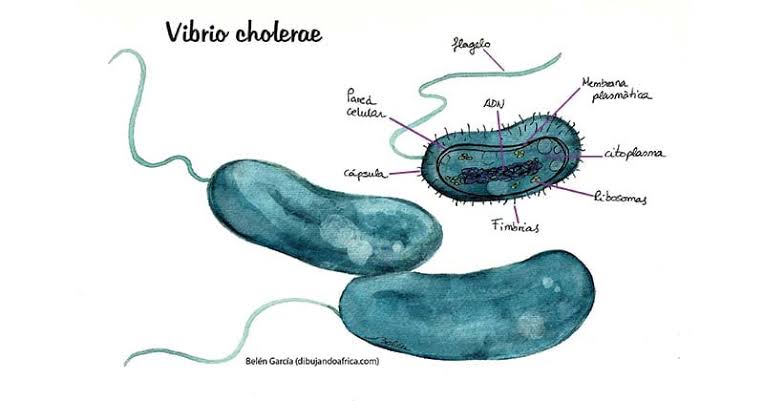
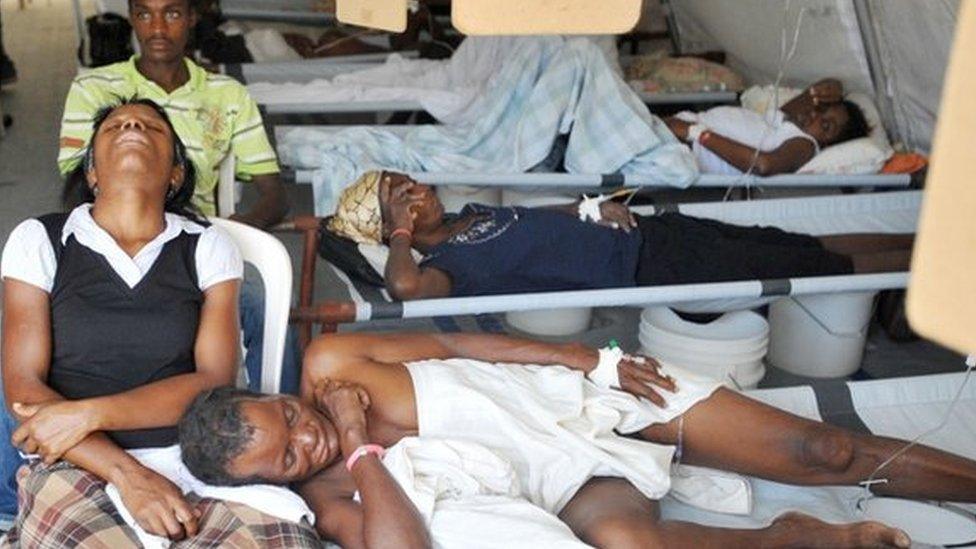
Cholera remains one of the most critical and enduring public health challenges in Nigeria. An acute diarrheal infection caused by the ingestion of food or water contaminated with the bacterium Vibrio cholerae, the disease places an annual socioeconomic and medical burden on the country. Despite decades of global advancement in medical science, Nigeria faces recurrent, explosive epidemics that threaten both rural communities and densely populated urban centers. Understanding the history, drivers, clinical impact, and strategic solutions is paramount to mitigating this entirely preventable disease.
1. Historical Context and Epidemiological Trends
Cholera is not new to Nigeria, but its modern epidemiological pattern has evolved into a seasonal, endemic crisis.
-
The First Wave: Nigeria’s first documented case of epidemic cholera occurred in 1970 near Lagos, leading to a massive outbreak in 1971 that resulted in over 22,000 cases and nearly 3,000 deaths.
-
Recurrent Epidemics: Major, high-fatality outbreaks have since punctuated Nigerian history, with notable peaks in 1991 (nearly 60,000 cases), 1999, 2010, and 2018. The 1991 outbreak recorded a staggering Case Fatality Ratio (CFR) of 12.9%.
-
The 2021 Crisis: The year 2021 marked the most catastrophic cholera outbreak in the nation’s history. Driven by a volatile mix of environmental factors, over 100,000 suspected cases and more than 3,600 deaths were reported across 33 states and the Federal Capital Territory (FCT).
-
Recent Patterns: Outbreaks continue to aggressively emerge. By mid-2024, significant escalations were tracked across more than 30 states, rapidly logging thousands of cases between May and August—the historic peak window for transmission in the region.
2. The Dual Drivers: Climate and Conflict
The persistence of Vibrio cholerae in Nigeria is heavily sustained by two complex, intersecting macroeconomic forces: climate variability and socio-political instability.
Environmental and Climate Pathways
Cholera transmission in Nigeria is intensely seasonal, tightly mirroring the annual wet season (May to August). Heavy downpours and sweeping floods frequently overwhelm weak municipal infrastructure. In poorer rural sectors and dense urban slums, floods cause sewage systems to collapse, washing human waste directly into open wells, hand-dug boreholes, and ponds that communities rely on for drinking water. Furthermore, the practice of storing water in uncovered, wide-mouthed containers drastically amplifies household-level contamination.
Conflict and Displacement
Socio-political instability acts as a hyper-accelerator for cholera outbreaks. In Northern Nigeria, protracted conflicts—including insurgency, banditry, and pastoralist crises—have forcibly displaced millions of people.
The Camp Phenomenon: Displaced populations are often pushed into severely overcrowded Internally Displaced Person (IDP) camps. These camps quickly become epicenters for outbreaks due to a complete breakdown of Water, Sanitation, and Hygiene (WASH) infrastructure, rendering standard disease surveillance and medical containment incredibly difficult.
3. Pathophysiology, Transmission, and Clinical Presentation
At a biological level, cholera is driven by toxigenic strains of Vibrio cholerae (primarily serogroups O1 and O139).
[Ingestion of Contaminated Water/Food]
               │
               ▼
[Colonization of the Small Intestine]
               │
               ▼
[Production of Cholera Toxin (CTX)]
               │
               ▼
[Massive Outflow of Water and Electrolytes]
               │
               ▼
[Severe “Rice-Water” Diarrhea & Rapid Dehydration]
While roughly 75% of infected individuals may remain asymptomatic, they still shed the bacteria back into the environment via feces for up to two weeks, quietly fueling the transmission cycle. For the vulnerable 20% who develop clinical symptoms, the onset is rapid and violent. It is characterized by profuse, painless, watery diarrhea (traditionally termed “rice-water stools”), vomiting, and severe muscle cramps. Without swift clinical intervention, the profound loss of fluids can lead to hypovolemic shock, metabolic acidosis, and death within a matter of hours.
4. Current Challenges in the Nigerian Response
The Nigeria Centre for Disease Control and Prevention (NCDC), established in 2011, leads the national response to public health emergencies, yet several systemic bottlenecks hamper comprehensive cholera eradication:
-
Suboptimal Surveillance & Infrastructure: Delayed reporting from remote local government areas (LGAs) often prevents rapid deployment of containment teams, allowing localized cases to balloon into cross-border epidemics.
-
The WASH Deficit: Millions of Nigerians still lack access to safely managed drinking water. Open defecation remains prevalent in both rural terrains and peri-urban slums due to a lack of improved latrines.
-
Antimicrobial Resistance (AMR): Alarmingly, recent reviews of circulating V. cholerae strains in Nigeria indicate an emerging resistance to standard first-line antibiotics (such as doxycycline, tetracycline, and trimethoprim-sulfamethoxazole), which threatens to complicate severe case management.
-
Vaccine Procurement: While Oral Cholera Vaccines (OCVs) have been deployed effectively in high-risk zones and IDP camps, global stockouts and supply-chain limits often restrict preemptive, nationwide vaccination campaigns.
5. The Way Forward: A Multi-Sectoral Strategy
Controlling cholera in Nigeria requires shifting from a reactive emergency response to a proactive, multi-sectoral prevention framework.
Integrated WASH Investments
The ultimate cure for cholera is infrastructural. Government and private sectors must prioritize aggressive investment in clean water pipelines, municipal water treatment, and the construction of sanitary household latrines to systematically eliminate open defecation.
Community-Led Health Education
Public health campaigns must focus heavily on grass-roots behavioral change. Teaching communities to boil or chlorinate water, avoid street-vended liquids of unknown origin, utilize narrow-necked water storage containers, and practice rigorous handwashing with soap can significantly break household transmission chains.
Strengthened Clinical Capacity
Healthcare facilities, particularly at the primary healthcare (PHC) level, require constant stockpiles of Oral Rehydration Salts (ORS), intravenous fluids (such as Ringer’s Lactate), and rapid diagnostic tests (RDTs). Training local health workers to identify “alert cases” instantly can drive the Case Fatality Ratio down below the global target of 1%.
Through a synchronized approach blending strict infrastructure development, empowered local surveillance, and targeted oral vaccination campaigns, Nigeria can finally break the annual cycle of this ancient disease and safeguard the lives of its citizens.

Quote from Nas_N3 on June 3, 2026, 8:36 amThe detailed overview provided by @amina_167 offers a highly accurate, socio-epidemiological breakdown of cholera’s endemic footprint in Nigeria. Far from being a simple medical issue, cholera is an infrastructure and governance diagnostic tool—its annual emergence serves as an unvarnished report card on the state of water, sanitation, and municipal planning.
The detailed overview provided by @amina_167 offers a highly accurate, socio-epidemiological breakdown of cholera’s endemic footprint in Nigeria. Far from being a simple medical issue, cholera is an infrastructure and governance diagnostic tool—its annual emergence serves as an unvarnished report card on the state of water, sanitation, and municipal planning.

Quote from babbiz on June 3, 2026, 8:46 amThe point about Antimicrobial Resistance is highly critical. Our lab tests on recent isolates show heavy resistance to standard antibiotics. If we don’t curb the unregulated sales of Doxycycline in open markets, we will render our most powerful clinical tools completely useless.
The point about Antimicrobial Resistance is highly critical. Our lab tests on recent isolates show heavy resistance to standard antibiotics. If we don’t curb the unregulated sales of Doxycycline in open markets, we will render our most powerful clinical tools completely useless.

Quote from Medix on June 3, 2026, 10:15 amThis forum post by Amina is an incredibly thorough, academically sound, and medically accurate breakdown of the cholera crisis in Nigeria. She hits every major nail on the head, particularly the intersection of environmental factors (the seasonal wet window) and socio-political factors (IDP camps and conflict zones) as hyper-accelerators of the disease.
To add value to her analysis, look at the critical operational realities, updates, and subtle systemic gaps that must be considered when evaluating this situation:
1. The Myth of the “Rainy Season Only” Disease
Amina rightly points out that the historical peak window is May to August. However, recent epidemiological data shows that cholera has evolved into an all-year-round threat in Nigeria, especially in dense urban environments like Lagos and Kano.
The Dry Season Twist: During the intense dry season, clean water becomes extremely scarce and expensive. As a result, low-income urban residents are forced to turn to highly questionable water vendors (Mai Ruwa), shallow wells, or heavily contaminated local streams. This creates localized, dry-season spikes that can be just as deadly as the rainy-season floods.
2. The Infrastructure Crisis Behind the WASH Deficit
While Amina accurately states that the ultimate cure is infrastructural, it is important to contextualize why this deficit is so stubborn.
The Slum Dynamic: In mega-cities like Lagos, rapid urbanization has outpaced municipal planning. Slums like Makoko or parts of Ajegunle are built directly on or over water. In these terrains, building standard subterranean septic tanks or laying water pipelines is technically and financially difficult.
The Solution Shift: Because massive central sewage systems are decades away, the modern focus has shifted to decentralized, off-grid WASH solutions—such as container-based sanitation, solar-powered community water kiosks, and decentralized water-purification startups.
3. The Dangerous Reality of Antimicrobial Resistance (AMR)
Amina’s point about the emerging resistance of Vibrio cholerae to standard first-line antibiotics is one of the most critical parts of her post.
The Local Driver: In Nigeria, anyone can walk into a local patent medicine store (chemist) and buy antibiotics over the counter without a prescription. Decades of self-medication and under-dosing have rapidly accelerated AMR.
The Clinical Countermeasure: Because of this resistance, the medical community must double down on Immediate Aggressive Rehydration (using Oral Rehydration Salts and Ringer’s Lactate) rather than relying on a “magic pill” antibiotic. Rehydration alone saves over 99% of cholera patients if administered early enough.
4. The Global OCV Stockout Challenge
Amina mentions Oral Cholera Vaccines (OCVs), but the ground reality is even more grim. The global stockpile of cholera vaccines has been chronically depleted due to simultaneous worldwide outbreaks.
The Reality: Nigeria often cannot get enough doses for nationwide preventative campaigns. Consequently, the NCDC and international partners (like the WHO) are forced to ration vaccines, deploying them almost exclusively as reactive, emergency ring-vaccinations in actively bleeding hotspots or high-risk IDP camps, rather than as a proactive national shield.
Technical Summary of Cholera Management
The clinical and operational priorities for tackling an outbreak effectively rely on three distinct pillars:
┌────────────────────────────────────────────────────────────────────────┐
│                        CHOLERA CONTROL PILLARS                         │
└──────────────────────────────────┬─────────────────────────────────────┘
                                   │
         ┌─────────────────────────┼─────────────────────────┐
         ▼                         ▼                         ▼
┌─────────────────┐       ┌─────────────────┐       ┌─────────────────┐
│   CASE MGMT     │       │   SURVEILLANCE  │       │ WASH & BEHAVIOR │
├─────────────────┤       ├─────────────────┤       ├─────────────────┤
│ • Oral/IV Fluids│       │ • LGA Alert Sys │       │ • Water Boiling │
│ • Early ORS     │       │ • Rapid Diag.   │       │ • Off-Grid WASH │
│ • Zinc for Kids │       │ • Hotspot Map   │       │ • No Open Defec.│
└─────────────────┘       └─────────────────┘       └─────────────────┘
The Immediate Priority: Until large-scale infrastructure investments are realized, the single most effective tool to prevent cholera deaths is grassroots distribution of low-cost water purification tabs (like Aquatabs) and widespread community training on how to prepare homemade Oral Rehydration Salts (1 liter of clean water, 6 level teaspoons of sugar, and 1/2 level teaspoon of salt).
This forum post by Amina is an incredibly thorough, academically sound, and medically accurate breakdown of the cholera crisis in Nigeria. She hits every major nail on the head, particularly the intersection of environmental factors (the seasonal wet window) and socio-political factors (IDP camps and conflict zones) as hyper-accelerators of the disease.
To add value to her analysis, look at the critical operational realities, updates, and subtle systemic gaps that must be considered when evaluating this situation:
1. The Myth of the “Rainy Season Only” Disease
Amina rightly points out that the historical peak window is May to August. However, recent epidemiological data shows that cholera has evolved into an all-year-round threat in Nigeria, especially in dense urban environments like Lagos and Kano.
-
The Dry Season Twist: During the intense dry season, clean water becomes extremely scarce and expensive. As a result, low-income urban residents are forced to turn to highly questionable water vendors (Mai Ruwa), shallow wells, or heavily contaminated local streams. This creates localized, dry-season spikes that can be just as deadly as the rainy-season floods.
2. The Infrastructure Crisis Behind the WASH Deficit
While Amina accurately states that the ultimate cure is infrastructural, it is important to contextualize why this deficit is so stubborn.
-
The Slum Dynamic: In mega-cities like Lagos, rapid urbanization has outpaced municipal planning. Slums like Makoko or parts of Ajegunle are built directly on or over water. In these terrains, building standard subterranean septic tanks or laying water pipelines is technically and financially difficult.
-
The Solution Shift: Because massive central sewage systems are decades away, the modern focus has shifted to decentralized, off-grid WASH solutions—such as container-based sanitation, solar-powered community water kiosks, and decentralized water-purification startups.
3. The Dangerous Reality of Antimicrobial Resistance (AMR)
Amina’s point about the emerging resistance of Vibrio cholerae to standard first-line antibiotics is one of the most critical parts of her post.
-
The Local Driver: In Nigeria, anyone can walk into a local patent medicine store (chemist) and buy antibiotics over the counter without a prescription. Decades of self-medication and under-dosing have rapidly accelerated AMR.
-
The Clinical Countermeasure: Because of this resistance, the medical community must double down on Immediate Aggressive Rehydration (using Oral Rehydration Salts and Ringer’s Lactate) rather than relying on a “magic pill” antibiotic. Rehydration alone saves over 99% of cholera patients if administered early enough.
4. The Global OCV Stockout Challenge
Amina mentions Oral Cholera Vaccines (OCVs), but the ground reality is even more grim. The global stockpile of cholera vaccines has been chronically depleted due to simultaneous worldwide outbreaks.
-
The Reality: Nigeria often cannot get enough doses for nationwide preventative campaigns. Consequently, the NCDC and international partners (like the WHO) are forced to ration vaccines, deploying them almost exclusively as reactive, emergency ring-vaccinations in actively bleeding hotspots or high-risk IDP camps, rather than as a proactive national shield.
Technical Summary of Cholera Management
The clinical and operational priorities for tackling an outbreak effectively rely on three distinct pillars:
┌────────────────────────────────────────────────────────────────────────┐
│                        CHOLERA CONTROL PILLARS                         │
└──────────────────────────────────┬─────────────────────────────────────┘
                                   │
         ┌─────────────────────────┼─────────────────────────┐
         ▼                         ▼                         ▼
┌─────────────────┐       ┌─────────────────┐       ┌─────────────────┐
│   CASE MGMT     │       │   SURVEILLANCE  │       │ WASH & BEHAVIOR │
├─────────────────┤       ├─────────────────┤       ├─────────────────┤
│ • Oral/IV Fluids│       │ • LGA Alert Sys │       │ • Water Boiling │
│ • Early ORS     │       │ • Rapid Diag.   │       │ • Off-Grid WASH │
│ • Zinc for Kids │       │ • Hotspot Map   │       │ • No Open Defec.│
└─────────────────┘       └─────────────────┘       └─────────────────┘
The Immediate Priority: Until large-scale infrastructure investments are realized, the single most effective tool to prevent cholera deaths is grassroots distribution of low-cost water purification tabs (like Aquatabs) and widespread community training on how to prepare homemade Oral Rehydration Salts (1 liter of clean water, 6 level teaspoons of sugar, and 1/2 level teaspoon of salt).

Quote from ibufull on June 3, 2026, 10:27 amThe NCDC is trying, but our localized surveillance is too slow. By the time a local health officer in a remote village writes a report, sends it to the state epidemiologist, and it gets logged in Abuja, two weeks have passed. We need SMS-based real-time alert systems for community leaders.
The NCDC is trying, but our localized surveillance is too slow. By the time a local health officer in a remote village writes a report, sends it to the state epidemiologist, and it gets logged in Abuja, two weeks have passed. We need SMS-based real-time alert systems for community leaders.

Quote from Sporter on June 3, 2026, 11:10 amYou mentioned water vendors, but people don’t realize how deeply our urban informal economy relies on them. In places like Sabon Gari, the ‘Mai Ruwa’ (water pushcart vendors) are the primary source of water for thousands. If one vendor’s source gets contaminated, an entire neighborhood goes down in 48 hours. We must regulate them, not just ignore them.”
You mentioned water vendors, but people don’t realize how deeply our urban informal economy relies on them. In places like Sabon Gari, the ‘Mai Ruwa’ (water pushcart vendors) are the primary source of water for thousands. If one vendor’s source gets contaminated, an entire neighborhood goes down in 48 hours. We must regulate them, not just ignore them.”

Headlines:
Latest Forum Topics
- You\'ll Never Guess This Best Online Crypto Casino\'s Benefits
- Unilorin Medical Mess as a Metaphor
- US government released the identities of five notorious Nigerian cyber fraudsters (Yahoo boys)
- Glimpses From The Oyo Rescue Operation
- Enugu Rangers Denies Simon’s Discrimination Claim
- Most popular beaches in Lagos and cost of access
- Abuja Hospital Offers LASER Prostate Treatment With no Surgical Cuts
- How Oyo pupils, teachers were freed without ransom – Ex-DSS operative
- Kidnapped Oyo State Students and Teachers Rescued Alive!
- Airtel Recruitment
- 43 Institutions Involved In NELFUND Double Tuition Scandal -NANS
- Senate Kills Motion Seeking Probe Into Controversial N1.3 Billion PFIPC 2026 Budget
- China Court Sentiences Government Official To Death For Collecting Bribes
- El-Rufai abused medical visit, doctor arrested – ICPC
- Three Nigerian students win gold medals at the STEM Olympiad
- Yahoo Boy Narrates How He Killed A Young Woman For Ritual Purposes
- Plenty Girls Are Going Into Relationship Because Of What They\'ll Eat – Emeka Ike
- Fake Agency ‘DG’ Adeyemi Outsmarted Federal Officials To Secure CBN Accounts
- Two African teams qualify for World Cup Round of 16, eight eliminated
- Lithium Processing Plant In Nasarawa State