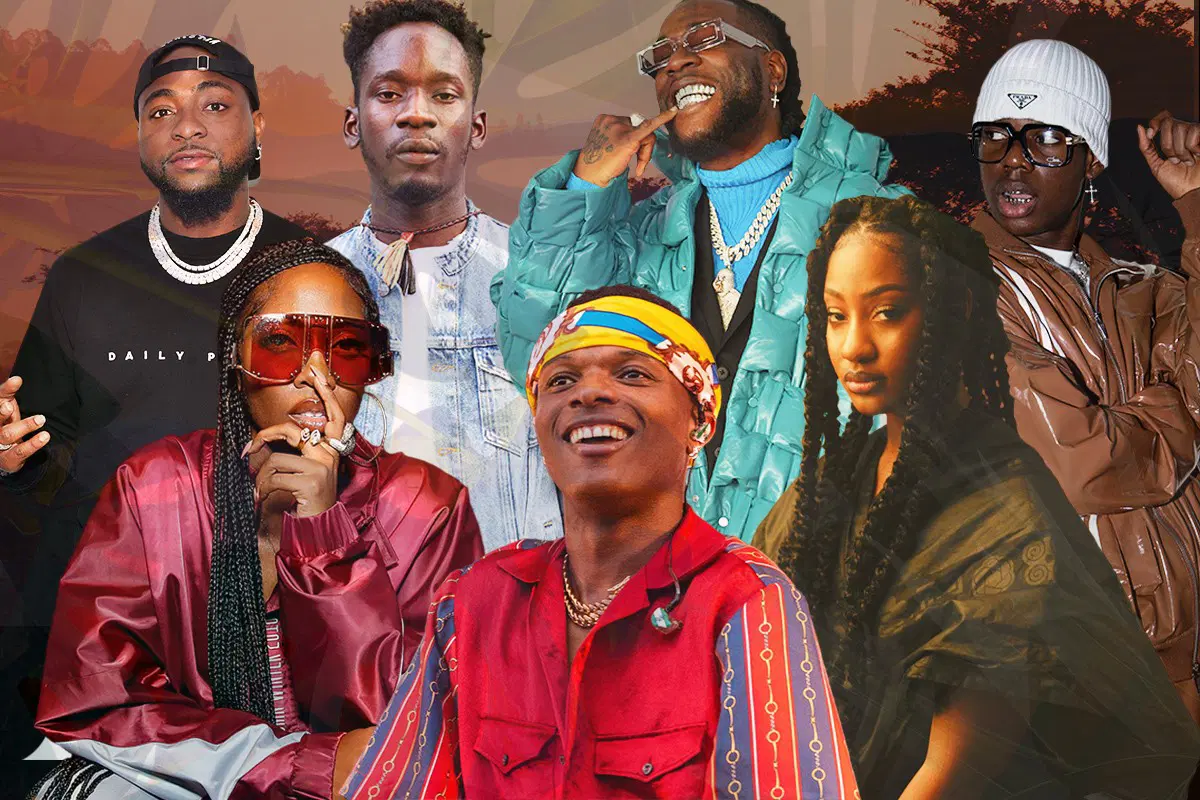
If you walked through the streets of Lagos or scrolled through TikTok in early 2026, one thing became undeniably clear: the Nigerian music industry is no longer just a “cultural export”—it has become a global economic architecture.
As of May 2026, the industry has officially crossed the $1 billion valuation mark, serving as the crown jewel of a broader Nigerian entertainment sector now projected to generate over $4.9 billion this year. This isn’t just about catchy hooks; it’s about a sophisticated, data-driven ecosystem that has matured into a global powerhouse.
1. The Afrobeats “Super-Cycle”
The numbers coming out of 2026 are staggering. According to recent data from Spotify marking five years in Nigeria, Afrobeats streams have surged by a massive 5,022% since 2021. But it’s not just Afrobeats. The “genre-bending” nature of the Nigerian sound has birthed sub-movements that are growing even faster:
-
Amapiano (Nigerian Fusion): +10,330% growth.
-
Gospel & Praise: +5,499% growth.
-
Indigenous Language Pop: Global listening for songs in Yoruba, Igbo, and Hausa rose by over 140% in the last year alone, proving that the world is vibing to the rhythm even when they don’t speak the tongue.
2. The Rise of the “Artist-CEO”
One of the most significant shifts in 2026 is the death of the traditional “helpless artist” narrative. We are seeing the rise of the Independent Department Model. Artists like Asake, who has dominated the 2026 charts with hits like “Jogodo” (alongside Wizkid) and the DJ Snake collaboration “Worship,” operate as mini-conglomerates. They own their distribution, leverage AI for marketing analytics, and partner directly with fintechs to release streaming-linked debit cards.
3. Global Recognition & Resilience
While the 2026 Grammy Awards in February were a bittersweet moment—with Nigerian heavyweights like Burna Boy and Davido receiving nominations but ultimately losing out to South Africa’s Tyla—the momentum hasn’t slowed.
-
Ayra Starr made history in March 2026 by winning Best International Act at the MOBO Awards for the second year in a row.
-
Rema continues his “Heis” era dominance, recently being crowned AFRIMMA 2026 Artist of the Year, underscoring his transition from a teen idol to a global sonic architect.
4. Education and Infrastructure: Building for 2030
The “booming” nature of the industry is being codified through formal education and investment:
-
The Berklee Connection: In April 2026, the Tiwa Savage Intensive Music Programme concluded in Lagos, awarding over $2 million in scholarships to 18 emerging Nigerian creatives to study at the Berklee College of Music.
-
Tech & AI: For the first time, AI-generated tracks have cracked the TurnTable Top 10 (notably the Papaoutai Afro-Soul remix). This has prompted the UK-Nigeria Tech Hub to launch a Creative Fund specifically to help local producers integrate AI and protect digital rights.
The 2026 Chart Toppers (Q1 Highlights)
The Verdict
The Nigerian music industry in 2026 is defined by intentionality. We’ve moved past the era of “hoping for a viral hit.” Today, the industry is powered by 180 million mobile subscribers, a Gen Z audience that treats music discovery like a sport, and a government finally recognizing that music contributes roughly 0.5% to the national GDP.
The beat isn’t just dropping in the clubs of Victoria Island anymore; it’s being felt in the boardrooms of London, Tokyo, and New York. Nigeria isn’t just at the table—Nigeria is the table.
Are you following the “New School” wave, or are you still spinning the 2020 classics?