Quote from
Jide on May 25, 2026, 10:34 am
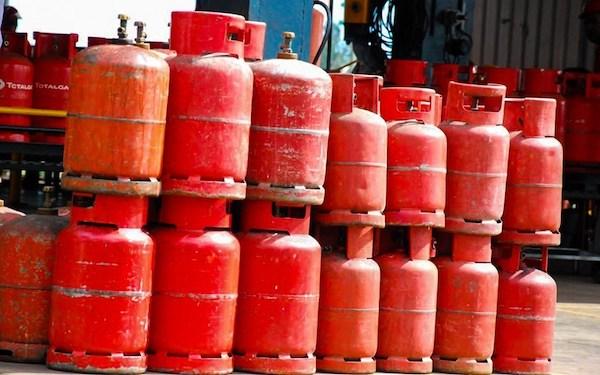
The Nigerian Association of Liquefied Petroleum Gas Marketers (NALPGAM) has raised a formal alarm regarding the recent scarcity and drastic hike in the retail price of cooking gas. Reports from various regions indicate that the cost has surged to approximately ₦1,500 per kilogram, placing a significant financial burden on households and small-scale business owners who depend on the fuel for daily operations.
The association highlighted that marketers are currently forced to pay as much as ₦26 million for a 20-metric-tonne supply, attributing this steep increase to severe disruptions within the supply chain. These logistical bottlenecks, combined with rising operational costs for distributors, have trickled down to the final consumers, leading to the current market instability observed across the country.
This development is expected to have a broad socio-economic impact, as many Nigerians have transitioned to cooking gas as a cheaper and cleaner alternative to kerosene and firewood. The sudden price spike threatens to reverse gains in domestic energy security and may force families to reconsider their energy consumption habits or revert to less efficient and potentially hazardous cooking methods.
The marketers are calling on the Federal Government and relevant regulatory agencies to intervene in the gas supply value chain. They are urging for a review of current pricing structures and the removal of barriers that hinder the efficient distribution of gas from production facilities to local markets, warning that continued inaction could lead to further shortages and price escalations in the coming weeks.
The Nigerian Association of Liquefied Petroleum Gas Marketers (NALPGAM) has raised a formal alarm regarding the recent scarcity and drastic hike in the retail price of cooking gas. Reports from various regions indicate that the cost has surged to approximately ₦1,500 per kilogram, placing a significant financial burden on households and small-scale business owners who depend on the fuel for daily operations.
The association highlighted that marketers are currently forced to pay as much as ₦26 million for a 20-metric-tonne supply, attributing this steep increase to severe disruptions within the supply chain. These logistical bottlenecks, combined with rising operational costs for distributors, have trickled down to the final consumers, leading to the current market instability observed across the country.
This development is expected to have a broad socio-economic impact, as many Nigerians have transitioned to cooking gas as a cheaper and cleaner alternative to kerosene and firewood. The sudden price spike threatens to reverse gains in domestic energy security and may force families to reconsider their energy consumption habits or revert to less efficient and potentially hazardous cooking methods.
The marketers are calling on the Federal Government and relevant regulatory agencies to intervene in the gas supply value chain. They are urging for a review of current pricing structures and the removal of barriers that hinder the efficient distribution of gas from production facilities to local markets, warning that continued inaction could lead to further shortages and price escalations in the coming weeks.