Quote from
Ngozi on May 28, 2026, 8:02 am
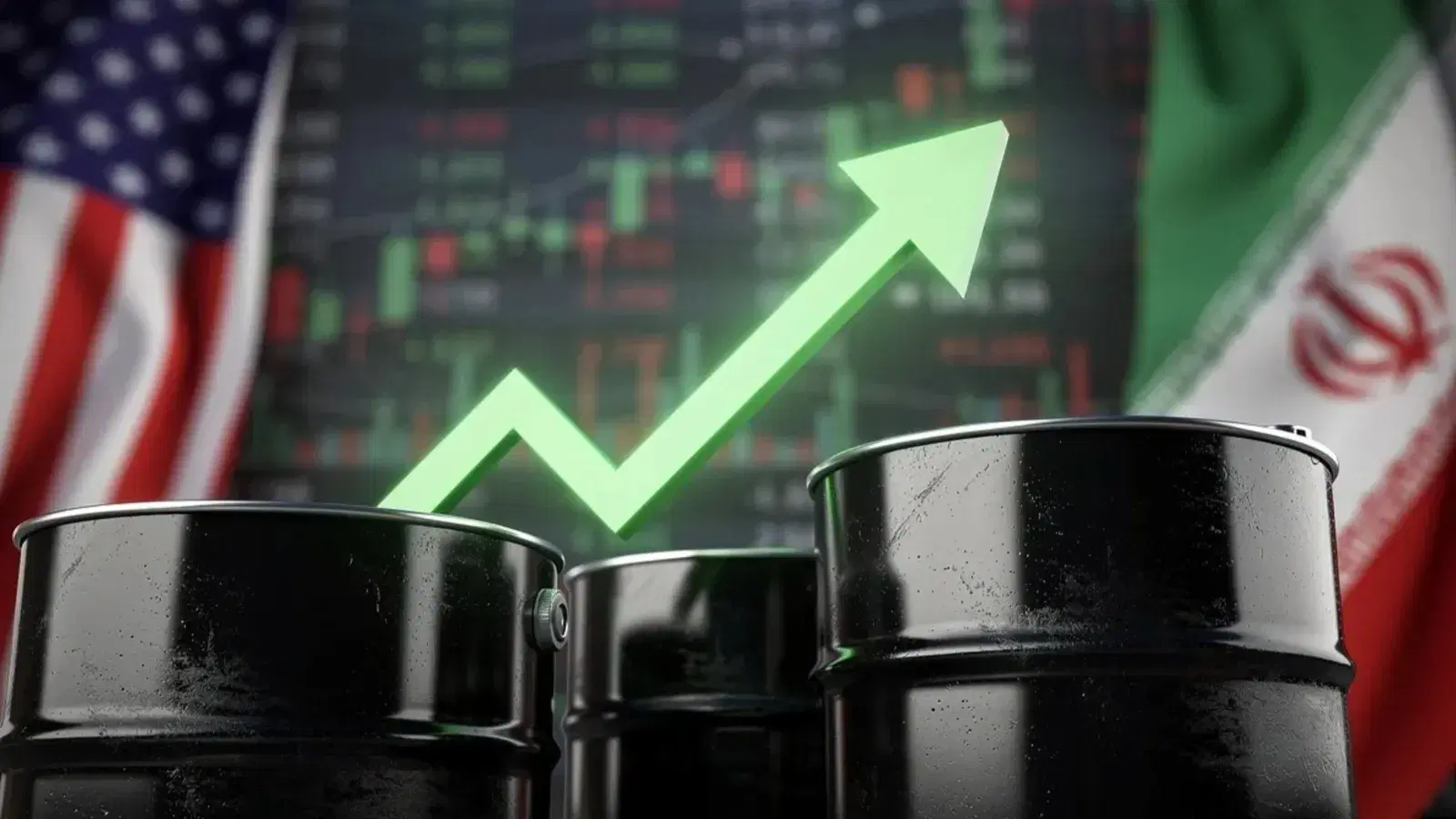
Global oil prices bounced significantly higher on Thursday, May 28, reversing mid-week declines as fresh military flare-ups between the United States and Iranian forces tested a fragile Middle East ceasefire. Because Nigeria’s federal budget and foreign reserves are deeply dependent on benchmark crude prices, local economists are tracking the situation closely.
An American military official confirmed under anonymity that defensive strikes were launched against an Iranian control center in the southern city of Bandar Abbas after shooting down four drones. Concurrently, Tehran state media reported that Iranian forces had fired warning shots at multiple vessels operating within the highly sensitive Strait of Hormuz, causing instant panic in maritime shipping markets.
The sudden escalation effectively erased prior market optimism that an imminent diplomatic agreement would permanently secure global oil shipping corridors. With the Strait of Hormuz handling a massive percentage of daily global petroleum transit, any prolonged disruption threatens to constrict international supply lines and drive crude prices well above forecasted baselines.
While higher international oil prices theoretically translate to increased gross revenues for Nigeria’s oil exports, local analysts warn of a double-edged sword. Due to existing gaps in domestic refining capacity, a sharp rise in global crude costs directly increases the landing costs of imported refined petroleum products, potentially pressuring domestic fuel pricing and inflation.
https://www.vanguardngr.com/2026/05/oil-prices-bounce-higher-after-new-us-strikes-on-iran/
Global oil prices bounced significantly higher on Thursday, May 28, reversing mid-week declines as fresh military flare-ups between the United States and Iranian forces tested a fragile Middle East ceasefire. Because Nigeria’s federal budget and foreign reserves are deeply dependent on benchmark crude prices, local economists are tracking the situation closely.
An American military official confirmed under anonymity that defensive strikes were launched against an Iranian control center in the southern city of Bandar Abbas after shooting down four drones. Concurrently, Tehran state media reported that Iranian forces had fired warning shots at multiple vessels operating within the highly sensitive Strait of Hormuz, causing instant panic in maritime shipping markets.
The sudden escalation effectively erased prior market optimism that an imminent diplomatic agreement would permanently secure global oil shipping corridors. With the Strait of Hormuz handling a massive percentage of daily global petroleum transit, any prolonged disruption threatens to constrict international supply lines and drive crude prices well above forecasted baselines.
While higher international oil prices theoretically translate to increased gross revenues for Nigeria’s oil exports, local analysts warn of a double-edged sword. Due to existing gaps in domestic refining capacity, a sharp rise in global crude costs directly increases the landing costs of imported refined petroleum products, potentially pressuring domestic fuel pricing and inflation.
https://www.vanguardngr.com/2026/05/oil-prices-bounce-higher-after-new-us-strikes-on-iran/