
A Blueprint for a Terror-Free Nigeria

Quote from admin on May 4, 2026, 9:01 pm
The fight against terrorism in Nigeria has entered a critical phase in 2026. While military operations have degraded the traditional strongholds of Boko Haram and ISWAP, the emergence of newer threats like the Lakurawa group and the “banditry-terrorism nexus” in the Northwest and North Central regions—exemplified by the tragic Kwara State attacks in February 2026—demands a paradigm shift.
A conclusive solution must move beyond “kinetic-only” responses to a multi-dimensional framework that prioritizes Economic Justice, Technological Intelligence, and Victim-Centric Reconciliation.
1. The Kinetic Evolution: “Precision over Power”
Military force remains necessary, but its application must be surgical to avoid civilian “misfires” that serve as recruitment tools for extremists.
Operational “Savanna Shield”: Expanding the 2026 Kwara model to all border states. This involves deploying specialized, highly mobile battalions capable of “brushfire” responses in rural ungoverned spaces.
Technological Force Multiplication: Deploying solar-powered CCTV corridors and rural reconnaissance drones (already trialed by the Katsina Community Watch Corps) to monitor vast forests like Sambisa and Kamuku.
Border Liquidity Management: Collaborating with the new ECOWAS Counter-Terrorism Brigade to secure “tri-border” areas where 64% of attacks now occur.
2. Structural Reform: The “Economic Justice” Model
Research in 2026 shows that 71% of recruits join extremist groups not for ideology, but as a “tipping point” response to state neglect or lack of jobs.
Codifying Socio-Economic Rights: Moving from discretionary “empowerment programs” to legally enforceable social protection frameworks. This ensures that vulnerable youth in the North have a “stake in the state.”
The “Education-to-Stability” Pipeline: Integrating vocational training into the Almajiri system and providing direct incentives for girls’ education to break the multi-generational cycle of radicalization.
Agricultural De-risking: Creating “Secure Farming Zones” where the military guarantees safety for farmers, revitalizing the local economy and cutting off the food supply chains often seized by terrorists.
3. Optimizing “Operation Safe Corridor” (OSC)
The 2026 status of Nigeria’s DDRR (Disengagement, Deradicalisation, Rehabilitation, and Reintegration) program shows it is effective but lacks public trust.
Victim-Centric Reconciliation: OSC must pivot from being “perpetrator-focused” to “community-inclusive.” For every dollar spent on rehabilitating a former fighter, a corresponding investment must be made in the victims of their specific community.
Transparency in Profiling: Implementing a blockchain-based tracking system for “low-risk” surrenderers to ensure they are not recycled into the bush, thereby addressing public fears of “fake repentance.”
4. Judicial & Legal Strengthening
The “culture of impunity” is a primary driver of terrorism. The mass trials of 500+ suspects in April 2026 are a start, but the process must be systemic.
Specialized Terrorism Courts: Establishing permanent, regional high courts dedicated solely to terrorism and banditry to avoid years of “pre-trial detention” that radicalize suspects further.
State Policing & Vigilante Regulation: Formally integrating community watch groups into a federal oversight framework. This harnesses local intelligence while preventing the extrajudicial killings that often trigger retaliatory violence.
5. Regional & Global Trust
Nigeria cannot “go it alone.” The 2026 Antalya Diplomacy Forum highlighted that “trust-based intelligence” is the missing link.
Intelligence Fusion Units: Moving beyond “sharing reports” to real-time, integrated data sharing with the Lake Chad Basin Commission and international partners.
Cutting the “Bandit-Terror” Financial Nexus: Empowering the National Financial Intelligence Unit (NFIU) to target the digital and crypto-currency channels now used for ransom payments and arms procurement.
Conclusion: The Integration Mandate
Terrorism in Nigeria is a symptom of a “governance vacuum.” Conclusively curbing it requires the state to be more visible through service delivery than through security checkpoints. By balancing the kinetic “Savanna Shield” with the legal “Economic Justice” framework, Nigeria can transition from managing an insurgency to building a sustainable peace.
Analysis of the 2026 Global Terrorism Index
💥 Flash drop! Temu codes are here. Don’t Miss Out! 🎉
【 alj218004 】GO WILD WITH ₦0 GIFTS! Freebies are flying off the shelves — grab yours before they’re gone 👉https://temu.to/k/ekgnbt5h9xk
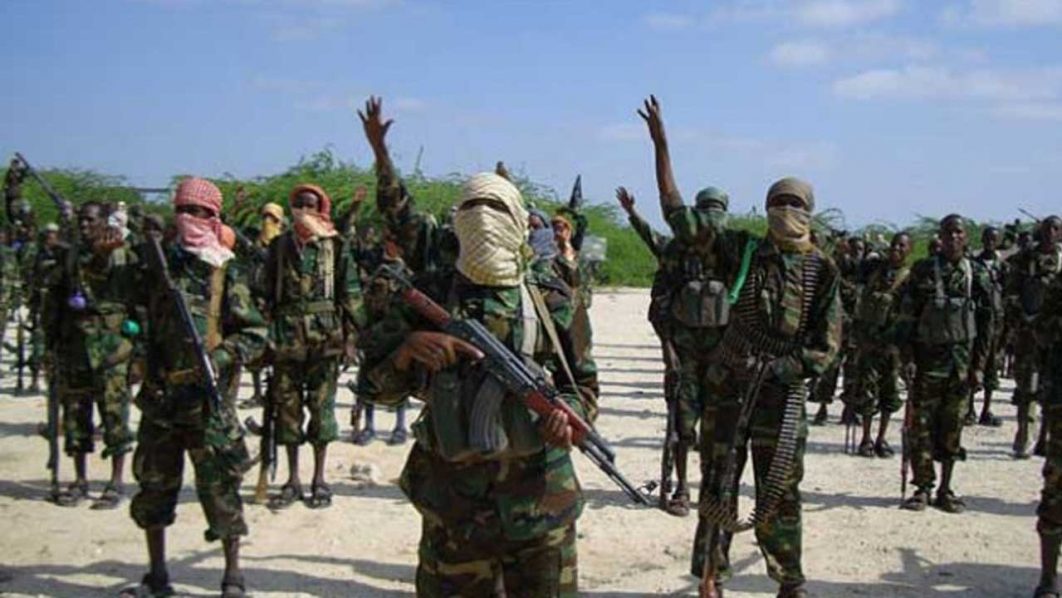
The fight against terrorism in Nigeria has entered a critical phase in 2026. While military operations have degraded the traditional strongholds of Boko Haram and ISWAP, the emergence of newer threats like the Lakurawa group and the “banditry-terrorism nexus” in the Northwest and North Central regions—exemplified by the tragic Kwara State attacks in February 2026—demands a paradigm shift.
A conclusive solution must move beyond “kinetic-only” responses to a multi-dimensional framework that prioritizes Economic Justice, Technological Intelligence, and Victim-Centric Reconciliation.
1. The Kinetic Evolution: “Precision over Power”
Military force remains necessary, but its application must be surgical to avoid civilian “misfires” that serve as recruitment tools for extremists.
-
Operational “Savanna Shield”: Expanding the 2026 Kwara model to all border states. This involves deploying specialized, highly mobile battalions capable of “brushfire” responses in rural ungoverned spaces.
-
Technological Force Multiplication: Deploying solar-powered CCTV corridors and rural reconnaissance drones (already trialed by the Katsina Community Watch Corps) to monitor vast forests like Sambisa and Kamuku.
-
Border Liquidity Management: Collaborating with the new ECOWAS Counter-Terrorism Brigade to secure “tri-border” areas where 64% of attacks now occur.
2. Structural Reform: The “Economic Justice” Model
Research in 2026 shows that 71% of recruits join extremist groups not for ideology, but as a “tipping point” response to state neglect or lack of jobs.
-
Codifying Socio-Economic Rights: Moving from discretionary “empowerment programs” to legally enforceable social protection frameworks. This ensures that vulnerable youth in the North have a “stake in the state.”
-
The “Education-to-Stability” Pipeline: Integrating vocational training into the Almajiri system and providing direct incentives for girls’ education to break the multi-generational cycle of radicalization.
-
Agricultural De-risking: Creating “Secure Farming Zones” where the military guarantees safety for farmers, revitalizing the local economy and cutting off the food supply chains often seized by terrorists.
3. Optimizing “Operation Safe Corridor” (OSC)
The 2026 status of Nigeria’s DDRR (Disengagement, Deradicalisation, Rehabilitation, and Reintegration) program shows it is effective but lacks public trust.
-
Victim-Centric Reconciliation: OSC must pivot from being “perpetrator-focused” to “community-inclusive.” For every dollar spent on rehabilitating a former fighter, a corresponding investment must be made in the victims of their specific community.
-
Transparency in Profiling: Implementing a blockchain-based tracking system for “low-risk” surrenderers to ensure they are not recycled into the bush, thereby addressing public fears of “fake repentance.”
4. Judicial & Legal Strengthening
The “culture of impunity” is a primary driver of terrorism. The mass trials of 500+ suspects in April 2026 are a start, but the process must be systemic.
-
Specialized Terrorism Courts: Establishing permanent, regional high courts dedicated solely to terrorism and banditry to avoid years of “pre-trial detention” that radicalize suspects further.
-
State Policing & Vigilante Regulation: Formally integrating community watch groups into a federal oversight framework. This harnesses local intelligence while preventing the extrajudicial killings that often trigger retaliatory violence.
5. Regional & Global Trust
Nigeria cannot “go it alone.” The 2026 Antalya Diplomacy Forum highlighted that “trust-based intelligence” is the missing link.
-
Intelligence Fusion Units: Moving beyond “sharing reports” to real-time, integrated data sharing with the Lake Chad Basin Commission and international partners.
-
Cutting the “Bandit-Terror” Financial Nexus: Empowering the National Financial Intelligence Unit (NFIU) to target the digital and crypto-currency channels now used for ransom payments and arms procurement.
Conclusion: The Integration Mandate
Terrorism in Nigeria is a symptom of a “governance vacuum.” Conclusively curbing it requires the state to be more visible through service delivery than through security checkpoints. By balancing the kinetic “Savanna Shield” with the legal “Economic Justice” framework, Nigeria can transition from managing an insurgency to building a sustainable peace.
Analysis of the 2026 Global Terrorism Index
💥 Flash drop! Temu codes are here. Don’t Miss Out! 🎉
【 alj218004 】GO WILD WITH ₦0 GIFTS! Freebies are flying off the shelves — grab yours before they’re gone 👉https://temu.to/k/ekgnbt5h9xk

Headlines:
Latest Forum Topics
- US government released the identities of five notorious Nigerian cyber fraudsters (Yahoo boys)
- Glimpses From The Oyo Rescue Operation
- Enugu Rangers Denies Simon’s Discrimination Claim
- Most popular beaches in Lagos and cost of access
- Abuja Hospital Offers LASER Prostate Treatment With no Surgical Cuts
- How Oyo pupils, teachers were freed without ransom – Ex-DSS operative
- Kidnapped Oyo State Students and Teachers Rescued Alive!
- Airtel Recruitment
- 43 Institutions Involved In NELFUND Double Tuition Scandal -NANS
- Senate Kills Motion Seeking Probe Into Controversial N1.3 Billion PFIPC 2026 Budget
- China Court Sentiences Government Official To Death For Collecting Bribes
- El-Rufai abused medical visit, doctor arrested – ICPC
- Three Nigerian students win gold medals at the STEM Olympiad
- Yahoo Boy Narrates How He Killed A Young Woman For Ritual Purposes
- Plenty Girls Are Going Into Relationship Because Of What They\'ll Eat – Emeka Ike
- Fake Agency ‘DG’ Adeyemi Outsmarted Federal Officials To Secure CBN Accounts
- Two African teams qualify for World Cup Round of 16, eight eliminated
- Lithium Processing Plant In Nasarawa State
- Who smuggled N1.3bn into PFIPC budget?
- Lagos food prices: Titus fish jumps 93% as 26 items rise in June survey