Quote from
KayodeK on May 14, 2026, 3:53 pm
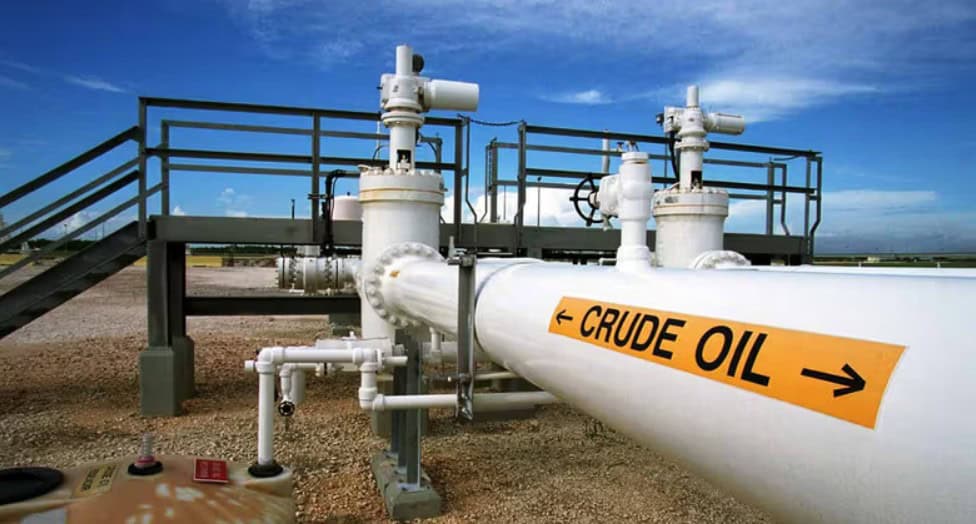
Nigeria’s oil production surged to 1.663 million barrels per day (mbpd) in April 2026, marking the country’s highest output of the year. Data from the Nigerian Upstream Petroleum Regulatory Commission (NUPRC) showed a significant jump from the 1.546 mbpd recorded in March. This rebound brings Nigeria within 99% of its OPEC production target of 1.5 million barrels per day for crude oil alone.
The increase is attributed to a combination of improved security in the Niger Delta and the restoration of production at several major offshore assets, including Bonga and Egina. Additionally, the introduction of newer export streams like Cawthorne crude has bolstered the national output. Officials have credited sector-wide reforms and the “crude-for-naira” initiative for streamlining operations and reducing domestic supply bottlenecks.
This production boost is a vital lifeline for the Nigerian economy, which relies on oil for the bulk of its foreign exchange earnings. With external reserves currently at $48.48 billion, the sustained increase in oil revenue is expected to provide the Central Bank of Nigeria (CBN) with the necessary liquidity to maintain naira stability. Analysts suggest that if this production level is maintained, it could lead to a more favorable credit rating for the nation.
Despite the positive numbers, industry experts warn that the aging infrastructure and the threat of pipeline vandalism remain lingering risks. There are calls for more investment in the maintenance of onshore assets to ensure long-term sustainability. The government has pledged to continue its crackdowns on illegal refining and oil theft to protect these critical revenue gains.
https://africa.com/nigeria-records-strongest-oil-production-levels/
Nigeria’s oil production surged to 1.663 million barrels per day (mbpd) in April 2026, marking the country’s highest output of the year. Data from the Nigerian Upstream Petroleum Regulatory Commission (NUPRC) showed a significant jump from the 1.546 mbpd recorded in March. This rebound brings Nigeria within 99% of its OPEC production target of 1.5 million barrels per day for crude oil alone.
The increase is attributed to a combination of improved security in the Niger Delta and the restoration of production at several major offshore assets, including Bonga and Egina. Additionally, the introduction of newer export streams like Cawthorne crude has bolstered the national output. Officials have credited sector-wide reforms and the “crude-for-naira” initiative for streamlining operations and reducing domestic supply bottlenecks.
This production boost is a vital lifeline for the Nigerian economy, which relies on oil for the bulk of its foreign exchange earnings. With external reserves currently at $48.48 billion, the sustained increase in oil revenue is expected to provide the Central Bank of Nigeria (CBN) with the necessary liquidity to maintain naira stability. Analysts suggest that if this production level is maintained, it could lead to a more favorable credit rating for the nation.
Despite the positive numbers, industry experts warn that the aging infrastructure and the threat of pipeline vandalism remain lingering risks. There are calls for more investment in the maintenance of onshore assets to ensure long-term sustainability. The government has pledged to continue its crackdowns on illegal refining and oil theft to protect these critical revenue gains.
https://africa.com/nigeria-records-strongest-oil-production-levels/