
Inside the Nigerian Multi-Billion Dollar Luxury Fashion Industry

Quote from KemiK3 on May 17, 2026, 2:43 pm
Nigeria’s fashion ecosystem has undergone a monumental shift, evolving from a localized tailoring culture into a multi-billion-dollar global phenomenon. Centered in Lagos—a city rising rapidly as a global hub of bottom-up creative innovation (Comunian et al., 2025)—contemporary Nigerian luxury is defined by an intentional fusion of ancestral heritage and hyper-modern tailoring (Nwankwo, 2025).
Historically, global luxury frameworks imposed top-down, Eurocentric templates that excluded African designers from luxury discourse (Comunian et al., 2025). Today, Nigerian designers are completely subverting that dynamic. By treating indigenous textiles like Aso-Oke, Adire, and Akwete as artisanal masterpieces, they have redefined “conspicuous consumption” to represent cultural pride, premium quality, and economic status (Chudi-Duru, 2026; Ibrahim, 2024; Kemp, 2026).
The Economics of Elegance: Valuing the Market
The creative evolution of Nigerian fashion is heavily backed by hard economic data. Far from a niche artistic pursuit, the industry is a verified financial powerhouse within the continent’s macro-economy.
The Macro Fashion Economy: According to Nigeria’s Federal Ministry of Art, Culture, and Creative Economy, the broader fashion industry contributes a staggering $6.1 billion to the nation’s GDP.
The Luxury Sub-Sector: Driven by high-end couture houses and affluent local and diaspora buyers, the specific domestic luxury fashion and designer goods market is independently valued at $1.2 billion to $1.5 billion (Research and Markets, 2026). It boasts a robust projected annual growth rate of approximately 10%.
Consumer Buying Power: Within this multi-billion-dollar framework, the ultra-affluent segment—comprising high-net-worth individuals, politicians, and the diaspora—spends between ₦4 million and ₦20 million+ ($2,500 to $12,500+) individually per year on bespoke local luxury fashion, funding an elite ecosystem that challenges traditional fashion capitals like Milan and Paris (BusinessDay, 2026).
The Avant-Garde Vanguards
Deola Sagoe (The Matriarch of African Luxury)
No conversation about Nigerian luxury is complete without Deola Sagoe. For decades, Sagoe has acted as the foundational blueprint for high-end fashion on the continent. She is globally celebrated for her pioneering work with Komole—a patented, ultra-luxury selection of bridal and evening wear constructed from intricately woven Aso-Oke silk. Sagoe took a heavy, traditional ceremonial fabric and engineered it into a lightweight, fluid, and structured masterpiece, making her the definitive standard for Nigerian haute couture.
Mai Atafo (The Master of Precision)
Under his eponymous label, Ohimai Atafo has masterfully institutionalized bespoke tailoring and luxury bridal wear in Nigeria. Renowned for dressing the country’s most prominent cultural icons—such as media personality Ebuka Obi-Uchendu (Ajiginni, 2022)—Atafo blends Savile Row precision with contemporary African flair. His collections focus heavily on clean lines, architectural fits, and an uncompromising commitment to fit and fabric, proving that Nigerian luxury is as much about structural mastery as it is about textile innovation.
Kenneth Ize (The Weaver of Global Heritage)
Kenneth Ize has achieved massive critical acclaim by placing traditional craftsmanship at the absolute core of modern luxury. A finalist for the prestigious LVMH Prize, Ize works directly with local artisanal weaving communities to produce vibrant, hand-woven Aso-Oke fabrics (Ibrahim, 2024). By integrating these traditional textiles into contemporary silhouettes like tailored blazers and structured suiting, Ize has successfully introduced the tactile luxury of Nigerian craftsmanship to international runways, including Paris Fashion Week.
Lisa Folawiyo (The Queen of Embellished Print)
Lisa Folawiyo completely revolutionized how the world interacts with West African textiles. Her luxury label, Jewel by Lisa, took the ubiquitous global African wax print (Ankara) and elevated it to a high-fashion textile through meticulous, hand-crafted embellishments. By incorporating intricate beadwork, sequins, and Swarovski crystals directly onto custom-designed prints, Folawiyo transformed traditional casual wear into luxury statements prized by global celebrities and local high-society alike.
The Blueprint: Heritage Meets Modernity
The defining ethos of the Nigerian luxury sector is its rejection of Western fast-fashion structures. Instead, designers are building highly sustainable ecosystems centered on ethical production and cultural preservation (Comunian et al., 2025).
Designer/Label Signature Element Socio-Cultural Impact Deola Sagoe Komole Silk Aso-Oke Preserves centuries-old Yoruba weaving methods through elite luxury bridal wear. Kenneth Ize Artisanal Hand-Woven Aso-Oke Empowers local weaving communities, creating an ethical supply chain for global luxury. Lisa Folawiyo Hand-Beaded Artisanal Ankara Reimagines West African prints through meticulous, labor-intensive hand-craftsmanship. Mai Atafo Bespoke Sartorial Tailoring Sets the elite standard for African menswear, driving trends in modern masculine pop-culture (Ajiginni, 2022).
Cultural Signifiers and the Global Network
In contemporary Nigerian society, luxury goods function as highly visible indicators of social status, self-reward, and group membership (Kemp, 2026). However, unlike Western luxury—which often relies on uniformity and heritage brand logos—Nigerian luxury is inherently expressive, dynamic, and deeply personal.
“In Nigeria, buying luxury goods has become an important way of expressing who you are and where you are going.” (Kemp, 2026).
Driven heavily by digital ecosystems like Instagram and high-visibility media events, Nigerian designers have successfully constructed an environment where regional representation and cultural democratization coexist with exclusivity (Enyinnaya, 2023; Nwankwo, 2025). By prioritizing local resources, ethical collaboration with rural artisans, and modern design frameworks, Nigeria’s elite fashion houses are not merely participating in the global luxury economy—they are actively rewriting its rules (Chudi-Duru, 2026; Ibrahim, 2024).
References
Ajiginni, M. I. (2022). Chukwuebuka Obi-Ochendu’s Fashion Aesthetics and its Impact on Nigerian Youths. International Journal of Comparative Studies in International Relations and Development, 8(1), 127–135.
BusinessDay. (2026). $6 billion fashion market: 6 ways Nigerians are dressing up — and who is really funding it. BusinessDay Weekender Insights.
Chudi-Duru, C. (2026). Embellishment of Akwete-Igbo hand woven fabrics: Supplementary Design Remedy for its Sustainability in Contemporary Fashion. Ujocc Journal of Culture and Creativity, 10(1).
Comunian, R., England, L., & Ikpe, E. (2025). Re-Defining Fashion Cities: African Fashion Designers Between Local and Global Networks. Journal of Fashion Studies, 28(3), 1–18.
Enyinnaya, J. (2023). A Technocultural Analysis of Nigerian Igbo Women Fashion Designers’ Self-Presentation on Instagram. Doctoral dissertation, Colorado State University.
Ibrahim, S. (2024). Effect of Traditional Textile Techniques on Modern Fashion Design in Nigeria. International Journal of Fashion and Design, 3(4), 40–52.
Kemp, N., & Dłużewska, A. (2026). Luxury Goods as Status Symbol in Nigeria. Bulletin of Geography, 19(2), 1–15.
Nwankwo, P. N. (2025). Trend Analysis in the Nigerian Fashion Market: Fusion of Traditional and Contemporary Styles, Inclusive and Diverse Representation, and the Rise of Athleisure and Casual Wear. Synergy: Journal of Collaborative Sciences, 11(4), 89–102.
Research and Markets. (2026). Nigeria Luxury Fashion & Designer Goods Market Size, Share, Trends and Forecast (2026–2034). Global Industry Reports, 138 Pages.
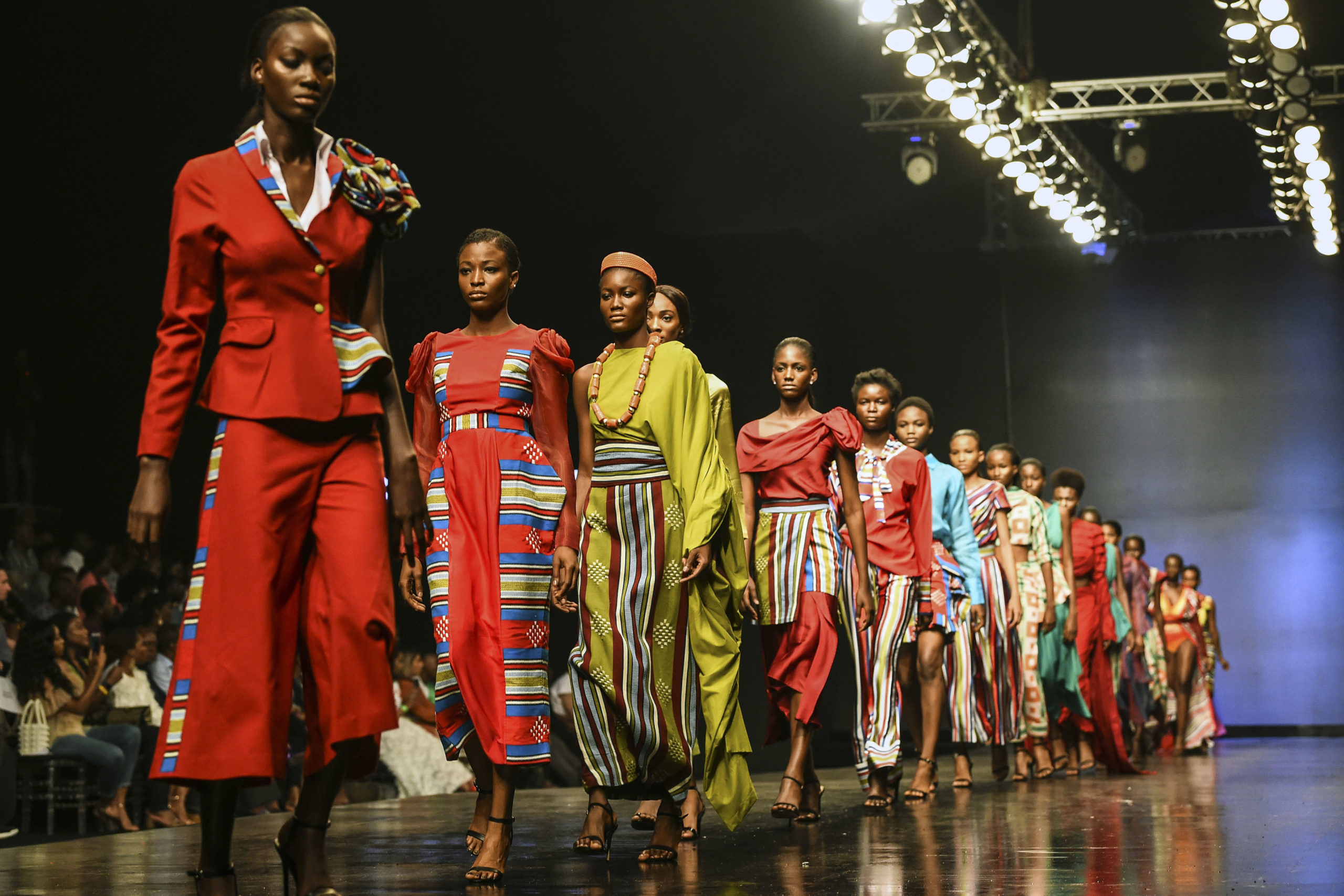
Nigeria’s fashion ecosystem has undergone a monumental shift, evolving from a localized tailoring culture into a multi-billion-dollar global phenomenon. Centered in Lagos—a city rising rapidly as a global hub of bottom-up creative innovation (Comunian et al., 2025)—contemporary Nigerian luxury is defined by an intentional fusion of ancestral heritage and hyper-modern tailoring (Nwankwo, 2025).
Historically, global luxury frameworks imposed top-down, Eurocentric templates that excluded African designers from luxury discourse (Comunian et al., 2025). Today, Nigerian designers are completely subverting that dynamic. By treating indigenous textiles like Aso-Oke, Adire, and Akwete as artisanal masterpieces, they have redefined “conspicuous consumption” to represent cultural pride, premium quality, and economic status (Chudi-Duru, 2026; Ibrahim, 2024; Kemp, 2026).
The Economics of Elegance: Valuing the Market
The creative evolution of Nigerian fashion is heavily backed by hard economic data. Far from a niche artistic pursuit, the industry is a verified financial powerhouse within the continent’s macro-economy.
-
The Macro Fashion Economy: According to Nigeria’s Federal Ministry of Art, Culture, and Creative Economy, the broader fashion industry contributes a staggering $6.1 billion to the nation’s GDP.
The Luxury Sub-Sector: Driven by high-end couture houses and affluent local and diaspora buyers, the specific domestic luxury fashion and designer goods market is independently valued at $1.2 billion to $1.5 billion (Research and Markets, 2026). It boasts a robust projected annual growth rate of approximately 10%.
Consumer Buying Power: Within this multi-billion-dollar framework, the ultra-affluent segment—comprising high-net-worth individuals, politicians, and the diaspora—spends between ₦4 million and ₦20 million+ ($2,500 to $12,500+) individually per year on bespoke local luxury fashion, funding an elite ecosystem that challenges traditional fashion capitals like Milan and Paris (BusinessDay, 2026).
The Avant-Garde Vanguards
Deola Sagoe (The Matriarch of African Luxury)
No conversation about Nigerian luxury is complete without Deola Sagoe. For decades, Sagoe has acted as the foundational blueprint for high-end fashion on the continent. She is globally celebrated for her pioneering work with Komole—a patented, ultra-luxury selection of bridal and evening wear constructed from intricately woven Aso-Oke silk. Sagoe took a heavy, traditional ceremonial fabric and engineered it into a lightweight, fluid, and structured masterpiece, making her the definitive standard for Nigerian haute couture.
Mai Atafo (The Master of Precision)
Under his eponymous label, Ohimai Atafo has masterfully institutionalized bespoke tailoring and luxury bridal wear in Nigeria. Renowned for dressing the country’s most prominent cultural icons—such as media personality Ebuka Obi-Uchendu (Ajiginni, 2022)—Atafo blends Savile Row precision with contemporary African flair. His collections focus heavily on clean lines, architectural fits, and an uncompromising commitment to fit and fabric, proving that Nigerian luxury is as much about structural mastery as it is about textile innovation.
Kenneth Ize (The Weaver of Global Heritage)
Kenneth Ize has achieved massive critical acclaim by placing traditional craftsmanship at the absolute core of modern luxury. A finalist for the prestigious LVMH Prize, Ize works directly with local artisanal weaving communities to produce vibrant, hand-woven Aso-Oke fabrics (Ibrahim, 2024). By integrating these traditional textiles into contemporary silhouettes like tailored blazers and structured suiting, Ize has successfully introduced the tactile luxury of Nigerian craftsmanship to international runways, including Paris Fashion Week.
Lisa Folawiyo (The Queen of Embellished Print)
Lisa Folawiyo completely revolutionized how the world interacts with West African textiles. Her luxury label, Jewel by Lisa, took the ubiquitous global African wax print (Ankara) and elevated it to a high-fashion textile through meticulous, hand-crafted embellishments. By incorporating intricate beadwork, sequins, and Swarovski crystals directly onto custom-designed prints, Folawiyo transformed traditional casual wear into luxury statements prized by global celebrities and local high-society alike.
The Blueprint: Heritage Meets Modernity
The defining ethos of the Nigerian luxury sector is its rejection of Western fast-fashion structures. Instead, designers are building highly sustainable ecosystems centered on ethical production and cultural preservation (Comunian et al., 2025).
| Designer/Label | Signature Element | Socio-Cultural Impact |
|---|---|---|
| Deola Sagoe | Komole Silk Aso-Oke | Preserves centuries-old Yoruba weaving methods through elite luxury bridal wear. |
| Kenneth Ize | Artisanal Hand-Woven Aso-Oke | Empowers local weaving communities, creating an ethical supply chain for global luxury. |
| Lisa Folawiyo | Hand-Beaded Artisanal Ankara | Reimagines West African prints through meticulous, labor-intensive hand-craftsmanship. |
| Mai Atafo | Bespoke Sartorial Tailoring | Sets the elite standard for African menswear, driving trends in modern masculine pop-culture (Ajiginni, 2022). |
Cultural Signifiers and the Global Network
In contemporary Nigerian society, luxury goods function as highly visible indicators of social status, self-reward, and group membership (Kemp, 2026). However, unlike Western luxury—which often relies on uniformity and heritage brand logos—Nigerian luxury is inherently expressive, dynamic, and deeply personal.
“In Nigeria, buying luxury goods has become an important way of expressing who you are and where you are going.” (Kemp, 2026).
Driven heavily by digital ecosystems like Instagram and high-visibility media events, Nigerian designers have successfully constructed an environment where regional representation and cultural democratization coexist with exclusivity (Enyinnaya, 2023; Nwankwo, 2025). By prioritizing local resources, ethical collaboration with rural artisans, and modern design frameworks, Nigeria’s elite fashion houses are not merely participating in the global luxury economy—they are actively rewriting its rules (Chudi-Duru, 2026; Ibrahim, 2024).
References
-
Ajiginni, M. I. (2022). Chukwuebuka Obi-Ochendu’s Fashion Aesthetics and its Impact on Nigerian Youths. International Journal of Comparative Studies in International Relations and Development, 8(1), 127–135.
-
BusinessDay. (2026). $6 billion fashion market: 6 ways Nigerians are dressing up — and who is really funding it. BusinessDay Weekender Insights.
-
Chudi-Duru, C. (2026). Embellishment of Akwete-Igbo hand woven fabrics: Supplementary Design Remedy for its Sustainability in Contemporary Fashion. Ujocc Journal of Culture and Creativity, 10(1).
-
Comunian, R., England, L., & Ikpe, E. (2025). Re-Defining Fashion Cities: African Fashion Designers Between Local and Global Networks. Journal of Fashion Studies, 28(3), 1–18.
-
Enyinnaya, J. (2023). A Technocultural Analysis of Nigerian Igbo Women Fashion Designers’ Self-Presentation on Instagram. Doctoral dissertation, Colorado State University.
-
Ibrahim, S. (2024). Effect of Traditional Textile Techniques on Modern Fashion Design in Nigeria. International Journal of Fashion and Design, 3(4), 40–52.
-
Kemp, N., & Dłużewska, A. (2026). Luxury Goods as Status Symbol in Nigeria. Bulletin of Geography, 19(2), 1–15.
-
Nwankwo, P. N. (2025). Trend Analysis in the Nigerian Fashion Market: Fusion of Traditional and Contemporary Styles, Inclusive and Diverse Representation, and the Rise of Athleisure and Casual Wear. Synergy: Journal of Collaborative Sciences, 11(4), 89–102.
-
Research and Markets. (2026). Nigeria Luxury Fashion & Designer Goods Market Size, Share, Trends and Forecast (2026–2034). Global Industry Reports, 138 Pages.

Headlines:
Latest Forum Topics
- Where Comfort Meets Confidence
- Defending champions Remo Stars doomed for relegation
- Enugu Rangers Win NPFL
- NPFL Final Day :Who Wins Nigeria\'s 2025/2026 Premier League?
- ‘We Did It’ — Ajayi Celebrates Hull City Premier League Promotion
- COUP PLOT: DOCUMENT REVEALS PROPOSED POWER STRUCTURE IF TINUBU, OTHERS WERE KILLED
- preserving evidence privately is wiser than chasing public validation online
- Why do men like a woman’s big yansh or nyash
- Government Negotiates With Oyo School Kidnappers
- Governorship Ticket : Rivers ADC Splits Into Factions
- Venezuela’s Oil Paid For Cost Of Iran War ’25 Times Over -Trump
- Onuachu’s Brace Fires Trabzonspor To Turkish Cup Glory
- Business and Funding Opportunities.23.5.2026
- Jobs @23.5.2026
- The Top 5 Highest-Earning Nigerian Bank CEOs
- Meet Segun Aina who started at JAMB as corps member, now registrar
- Inside the Nigerian Multi-Billion Dollar Luxury Fashion Industry
- Top 10 states with the largest internet subscriptions in 2025
- The Missionary Sex Position: History, Benefits, and Variations
- Disinflation Reversal Strains Households as Headline Inflation Hits 15.69%